

EL PASO, Texas — Emergency calls placed from inside the Camp East Montana detention complex offer a rare window into the daily realities faced by immigrants held at one of the largest detention sites operated by U.S. Immigration and Customs Enforcement.
Records from local emergency dispatch show a steady stream of 911 calls over several months. The calls describe suicide attempts, medical crises, assaults and detainees in acute psychological distress. In many cases, emergency responders were called because on-site staff believed outside medical care was necessary.
Together, the incidents offer one of the clearest public glimpses into what happens inside a detention facility that typically operates far from public view. Immigration detention centers often exist on remote properties or military-adjacent land, with limited access for journalists, advocacy groups or the public.
The emergency call records provide something rare in the immigration detention system: contemporaneous documentation of events unfolding inside the facility in real time. Each call captures a moment when conditions inside the detention camp escalated to the point where outside assistance was required.
For immigration attorneys and advocates who work with detainees, the calls offer an unusual level of detail about a system that is often described but rarely documented so directly.
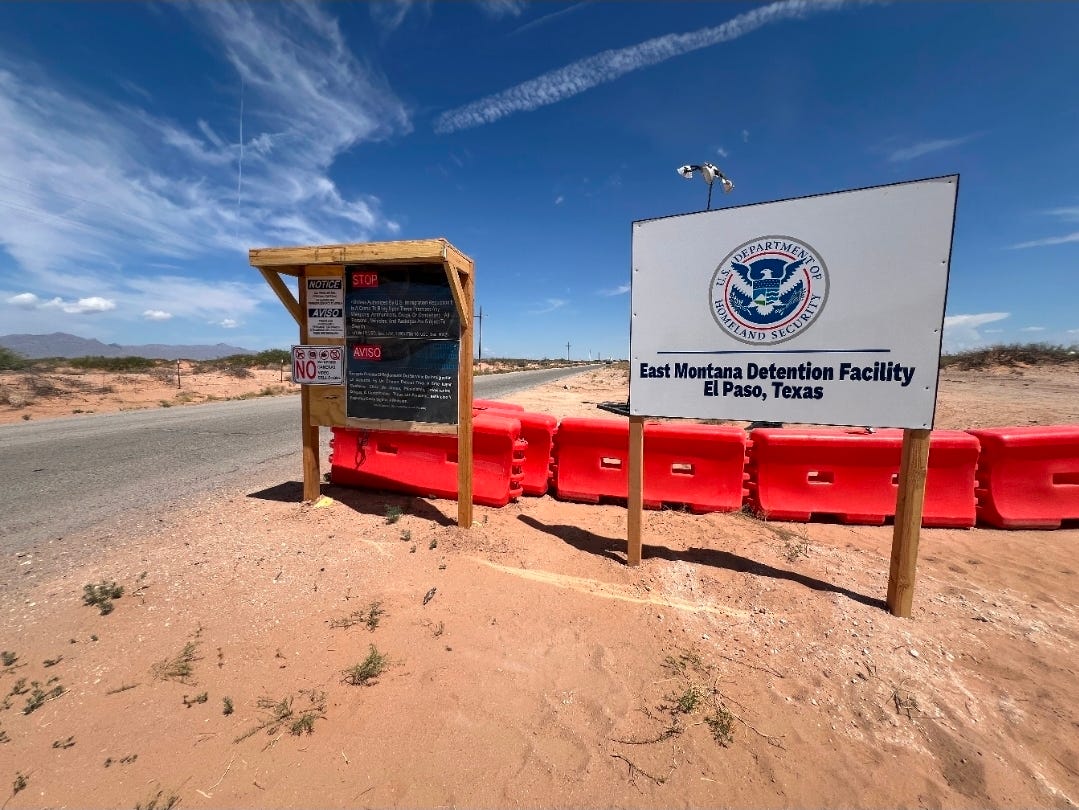
The Largest ICE Detention Camp
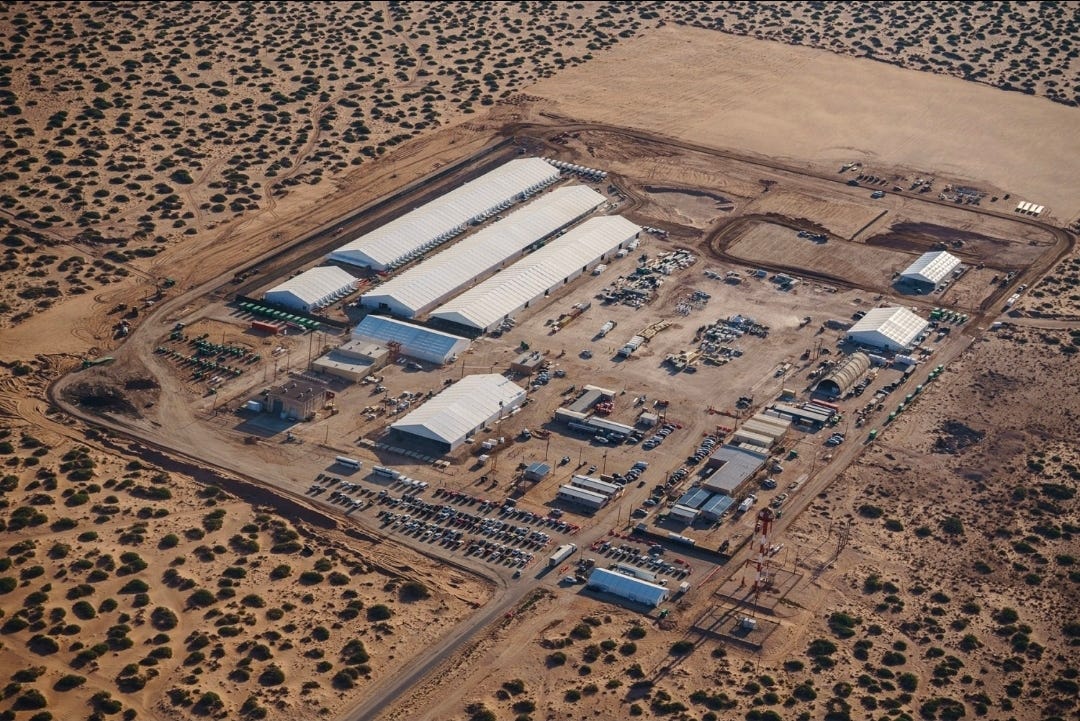
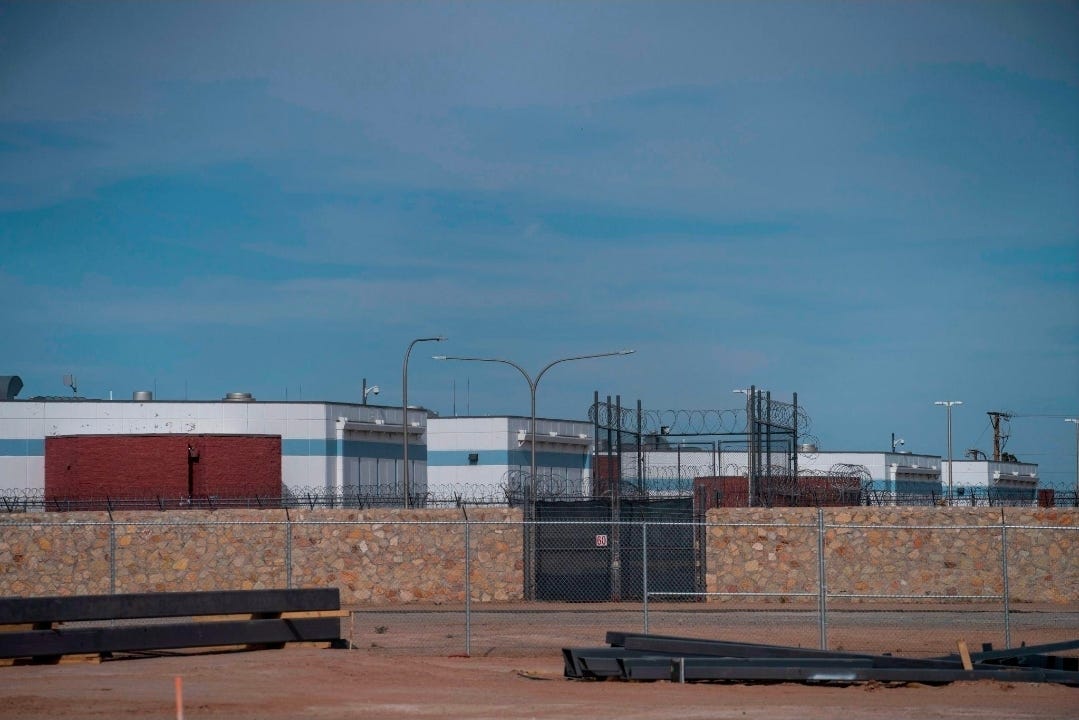
Camp East Montana sits on land near Fort Bliss, a U.S. Army installation on the outskirts of El Paso.
The complex consists largely of tent-style structures surrounded by fencing and security checkpoints. Built rapidly during surges in immigration enforcement, the site has become one of the largest detention operations in the United States.
Unlike traditional jail structures, much of the facility relies on temporary infrastructure designed to house large numbers of people quickly. Rows of tents stretch across the desert landscape, each containing rows of metal bunk beds arranged in communal sleeping areas.
At any given time, roughly 3,000 detainees are held at the camp, according to government data.
Many are immigrants arrested during workplace enforcement operations or broader immigration sweeps.
Some detainees remain at the facility for only a few days, while others may spend weeks waiting for their cases to move forward.
Attorneys who represent detainees say the camp functions more like a large holding complex than a traditional detention center. Because of its size and layout, it has become a central processing location for immigration enforcement operations across multiple states.
911 Calls Describe Crises Inside the Facility
Emergency calls from the facility reveal a pattern of distress among detainees.
Several calls describe individuals experiencing severe mental health crises. In one incident, a detainee repeatedly struck his head against a wall while expressing suicidal thoughts. In another, staff requested emergency assistance for someone believed to be attempting suicide.
Other calls involved detainees suffering seizures or collapsing without warning.
911 dispatch recording from Camp East Montana detention facility
This call captures a detainee reporting severe swelling after an assault and requesting emergency medical assistance.
At least 20 of the reported emergencies involved seizures, some resulting in head injuries that required immediate medical care.
Emergency responders were also summoned after fights between detainees left individuals with broken bones, bleeding wounds or difficulty breathing.
In several cases, dispatchers were told detainees appeared to be in extreme distress.
The calls reveal how often outside medical personnel were needed to stabilize situations that had escalated beyond the capacity of on-site staff.
For emergency responders in El Paso, the facility has become a recurring location for medical dispatches.
Medical Emergencies Across All Ages
The emergency calls reflect the wide range of ages and medical conditions among people detained at the camp.
One incident involved a 19-year-old detainee who fell from a bunk bed. Another call described a 79-year-old man struggling to breathe who required urgent medical attention.
In another case, a pregnant detainee experiencing severe pain while infected with COVID-19 was transported for medical treatment.
Medical emergencies at the facility range from injuries caused by falls or fights to conditions related to underlying health problems.
Advocates say the calls illustrate the strain created by housing thousands of people inside crowded detention environments.
Communal living conditions can accelerate the spread of illness while also increasing the likelihood of conflict between detainees.
In large detention settings, medical staff must often respond to dozens of detainees simultaneously, each with different health conditions and medical histories.
Life Inside the Camp
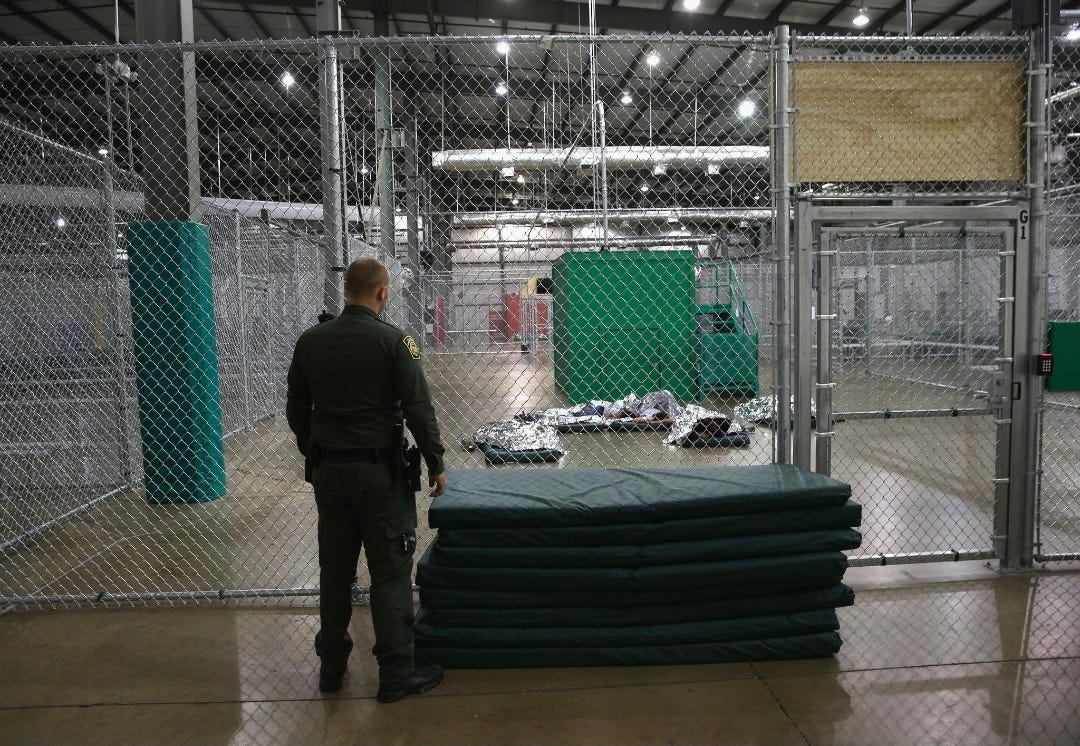
Detainees interviewed by attorneys described sleeping in large communal areas lined with rows of bunk beds.
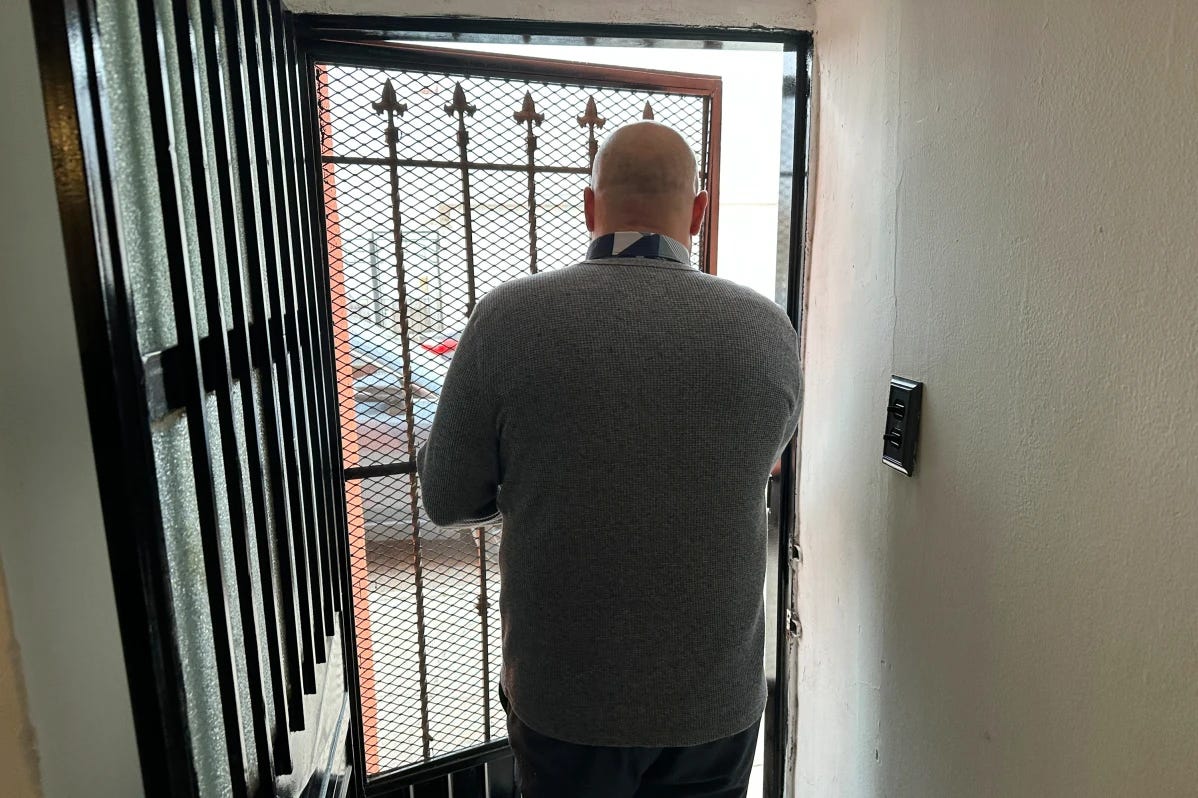
Lights inside the tents often remain on for long periods, and noise levels can be high as hundreds of people move through the same living space.
They said access to outdoor recreation was limited and that tensions sometimes led to confrontations between detainees.
Some detainees reported difficulty obtaining medications or timely medical care.
Others said they lost significant weight during detention because of concerns about the quality or quantity of food.
Former detainees described the psychological toll of waiting months for immigration cases to move forward.
For many, the uncertainty — combined with separation from family members — created a sense of constant anxiety.
Advocates say prolonged uncertainty about legal status can intensify mental health challenges among detainees.
Deaths Raise New Questions
Two detainees have died while being held at the Camp East Montana facility.
One death involved a detainee who was restrained by guards during what officials described as a suicide attempt. A medical examiner later ruled the death a homicide caused by asphyxia during restraint.
Another detainee died only days after arriving at the camp following a workplace immigration enforcement operation in Minnesota.
The deaths intensified scrutiny of the facility and raised questions about safety and oversight.
Immigration detention facilities across the United States have faced growing criticism from lawmakers and advocacy groups concerned about medical care, mental health services and conditions inside detention centers.
Deaths in custody often prompt internal reviews and investigations, though critics say transparency about those investigations is limited.
Calls for Closure
U.S. Rep. Veronica Escobar, whose district includes El Paso, has visited the facility several times and has become one of the most outspoken critics of its operation.
Escobar has called for the detention camp to be closed and for federal authorities to investigate the contract under which the facility is operated.
She has also urged immigration officials to provide greater transparency about conditions inside the camp.
Federal officials have not publicly released inspection reports evaluating the facility despite requests from lawmakers and advocates.
The lack of publicly available inspection results has fueled concerns among critics who argue oversight of immigration detention facilities remains limited.
Lawmakers have increasingly raised questions about whether large-scale detention facilities should remain a central part of immigration enforcement policy.
A System Largely Hidden From Public View
Advocates say the emergency calls provide a rare piece of documentary evidence about what happens inside immigration detention.
Because many facilities operate under federal contracts and are located on remote properties or military installations, journalists and the public often have limited access.
As a result, incidents inside detention facilities frequently come to light only through court filings, interviews with former detainees or emergency calls involving outside responders.
Immigration detention has expanded significantly in recent years as federal enforcement policies intensified.
Supporters of detention policies argue the facilities are necessary to manage immigration cases and ensure migrants appear for court proceedings.
Critics counter that large detention camps create conditions that are harmful to detainees and that alternatives to detention could reduce both costs and risks.
“Worse Than a Prison”
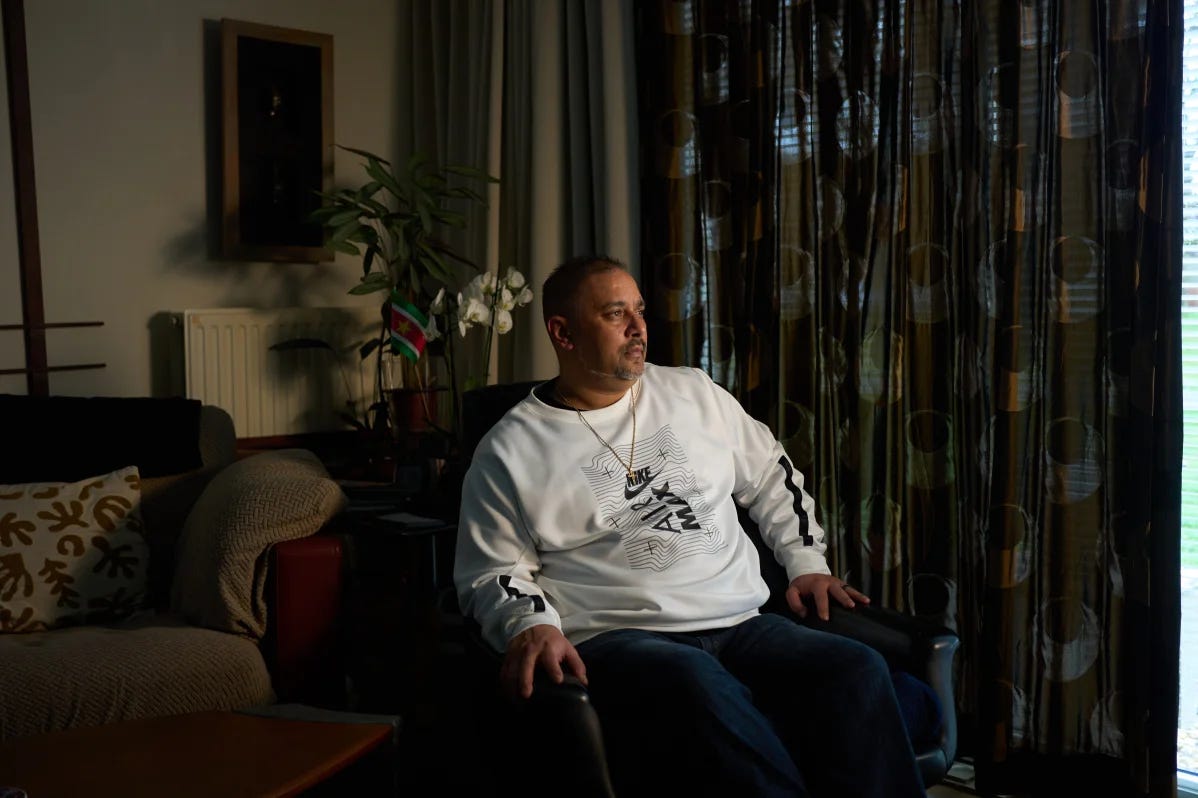
Former detainees who spoke about their experiences inside the Camp East Montana facility described the environment in stark terms.
Several said that despite never having been incarcerated in criminal prisons, detention inside the camp felt harsher than anything they had previously experienced.
One former detainee summarized the experience simply.
“It was worse than a prison.”
Share this investigation
Reader-supported journalism
Investigations like this take time, documentation, and persistence.
Americans Against ICE reports on immigration detention systems so the realities inside them cannot disappear from public view.
If you believe this work matters, consider subscribing.
Free subscriptions help expand the reach of these investigations.
Paid subscriptions help sustain independent accountability reporting.
Subscribe to support the work:
911 calls don’t lie.
The records show people inside detention begging for medical help, reporting suicide attempts, and calling for ambulances.
That is the reality these documents reveal.
So heartbreaking and inhumane! 💔😭