

In the past month, children have continued to enter and remain in U.S. immigration custody under policies that federal officials describe as enforcement operations. According to the most recent publicly available data from U.S. Customs and Border Protection (CBP) and Immigration and Customs Enforcement (ICE), thousands of minors move through federal custody each month, either as unaccompanied children transferred to the Office of Refugee Resettlement (ORR) or as part of family detention cases.
As of the latest reporting cycle, ORR has been responsible for the care of more than 6,000 unaccompanied children nationwide, with additional minors held in short-term CBP facilities before transfer. Family detention centers in Texas and Pennsylvania continue to hold parents with children pending immigration proceedings. The precise number fluctuates weekly, but the presence of minors in federal custody remains ongoing — not episodic.
This article documents what that reality looks like on the ground.
A Bronx Student in Pennsylvania
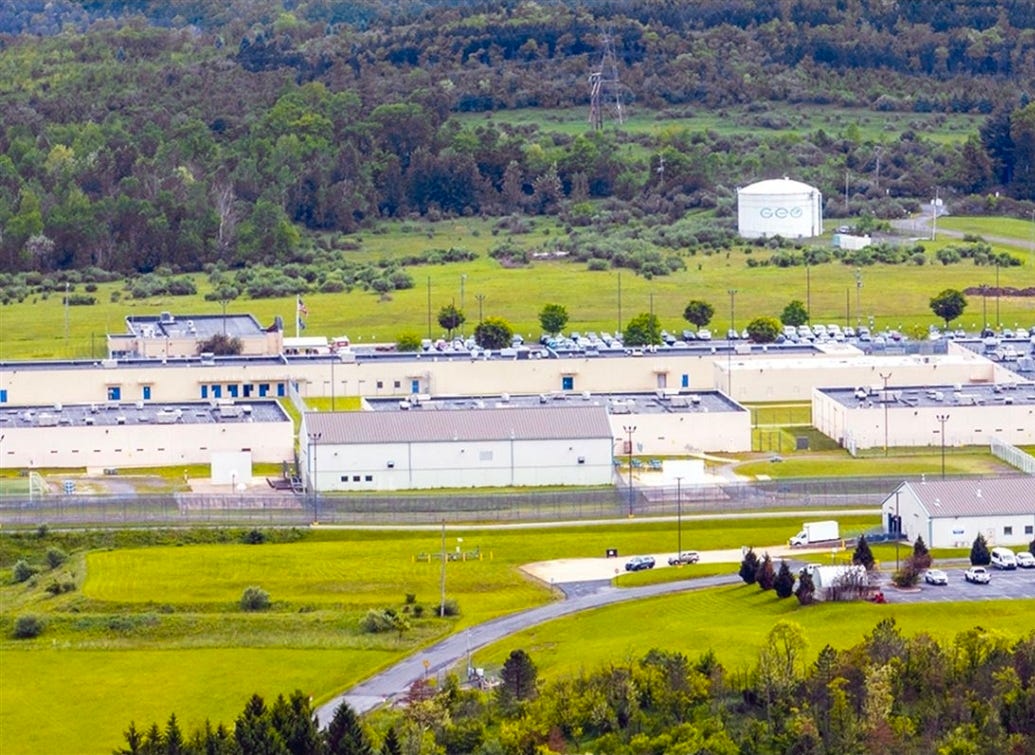
Dylan Lopez Contreras, a 20-year-old who had been attending high school in the Bronx, was detained by ICE during a routine immigration court appearance. He has been held at the Moshannon Valley ICE Processing Center in Philipsburg, Pennsylvania since May 2025.
Though now legally an adult, Contreras’ case drew attention because he had been enrolled in New York’s public school system at the time of detention. His classmates described his disappearance from school as sudden and destabilizing.
He later described stress, racial discrimination, and psychological strain inside the facility.
“If you want stress and depression not to take over, you have to find ways to occupy and distract your mind,” he said in an interview.
📊 Case Timeline: Dylan Lopez Contreras
• May 2025 — Detained during routine immigration court appearance
• Transferred — Held at Moshannon Valley ICE Processing Center
• Months in Custody — Ongoing immigration proceedings
• Public Attention — Identified as among the first New York public school students detained by ICE
• Current Status — Awaiting resolution of immigration case
Mental Health Inside Family Detention
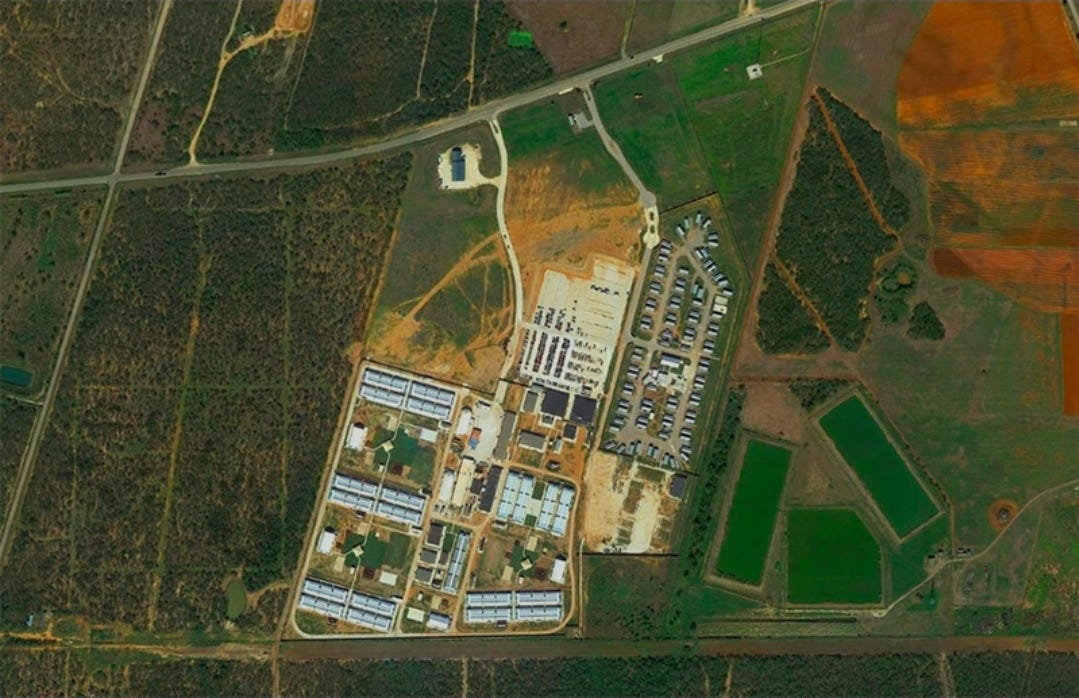
In a separate case reported by the Associated Press, a 13-year-old girl held at the Dilley Immigration Processing Center in Texas experienced severe psychological distress while detained with her family.
Her mother reported that the teen had stopped eating after finding a worm in her food and later attempted self-harm. The family was ultimately deported following a removal order.
Advocates have documented that prolonged detention — particularly when combined with uncertainty about release or deportation — can intensify depression and anxiety in minors.
Federal authorities maintain that detention facilities meet required standards of care. However, first-hand accounts from families continue to surface alleging inconsistent medical attention, constant lighting, sleep disruption, and emotional strain.
The Infrastructure Question
In Maryland, Attorney General Anthony Brown has filed a lawsuit seeking to halt construction of a new ICE detention facility in Williamsport. The suit raises environmental and procedural objections but also underscores a broader concern: detention capacity is being expanded even as lawsuits challenge existing practices.
The question is no longer whether children are being held. It is how long, under what conditions, and under what oversight.

What the Numbers Show
• Thousands of unaccompanied minors remain under ORR supervision at any given time.
• Family detention facilities in Texas and Pennsylvania continue to operate.
• Transfers between CBP, ICE, and ORR create a system in which minors can move between agencies before resolution.
• Length of stay varies, but advocacy groups report that prolonged confinement remains common in contested cases.
While federal officials dispute claims of systemic mistreatment, reports of depression, suicide attempts, and deteriorating mental health among detained youth have continued into this year.
🔎 DATA BOX: Federal Custody Snapshot (Most Recent Public Reporting)
Federal Custody Data — Children in Immigration System
Office of Refugee Resettlement (ORR)
• ~6,000–7,500 unaccompanied minors in care at any given time
• Average length of stay: ~30–45 days (varies by case)
• Facilities include shelters, influx centers, and transitional programs
Source: U.S. Department of Health & Human Services — ORR Unaccompanied Children Data Portal
https://www.hhs.gov/programs/social-services/unaccompanied-children/index.html
Customs and Border Protection (CBP)
• Short-term holding of minors prior to ORR transfer
• Federal standard: transfer within 72 hours (not always met during surges)
Source: CBP Nationwide Encounters Dashboard
https://www.cbp.gov/newsroom/stats
Immigration and Customs Enforcement (ICE)
• Family detention facilities active in Texas and Pennsylvania
• Length of detention varies based on court proceedings
Source: ICE Detention Management Statistics
https://www.ice.gov/detain/detention-management
The Pattern
Children in custody are not isolated incidents. They are part of a structured system of intake, processing, transfer, and detention that operates daily across multiple states.
Some are released to sponsors. Some are deported. Some remain in proceedings for months.
The numbers change weekly. The presence does not.
🧭 How a Minor Moves Through the System
1. Apprehension (CBP or ICE encounter)
2. Short-Term Holding (CBP facility)
3. Transfer to ORR (if unaccompanied) or Family Detention Facility
4. Immigration Proceedings Begin
5. Release to Sponsor / Continued Detention / Removal Order
Each step operates under different federal agencies. Oversight and accountability shift between them.
Why This Month Matters
The current month has seen renewed legal challenges to detention expansion, increased reporting on mental health inside facilities, and continued debate in Congress over enforcement funding.
What has not changed is this: minors remain inside the system.
And each case adds to the documented record.
This reporting continues because readers choose to support it.
If this documentation matters to you, subscribe or upgrade to a paid subscription to fund ongoing tracking, source verification, and facility-level monitoring.
Support independent accountability journalism:
Children should never be used as leverage in an enforcement system.
Thank you for researching and sharing this.