

Norelly Mejías Cáceres was inside her Chicago apartment with her husband and first-grade son when federal immigration officers descended on the building one night last fall.
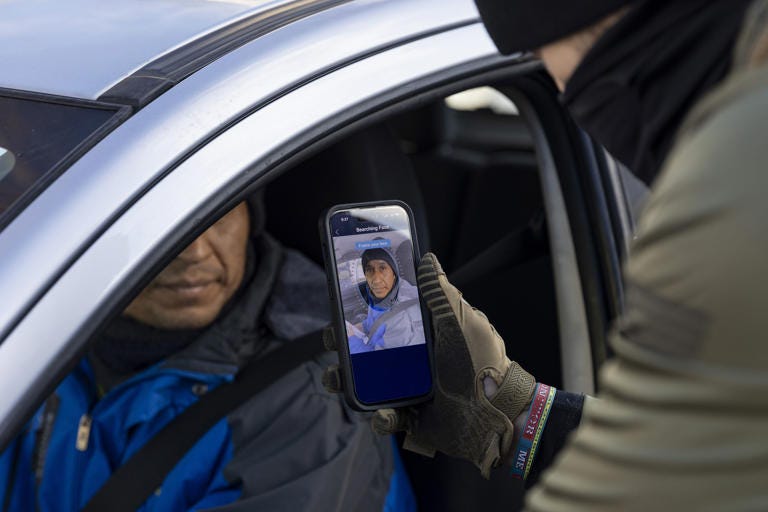
She told NPR that officers pointed guns at them and ordered them to leave. During the raid, Mejías fainted. When she came to, officers pointed a smartphone at her face and told her to open her eyes wide for a photo. Her eyes were swollen from crying.
“They asked me to open my eyes wide for the photo, so I did,” she told NPR.
Officers were then able to identify her. Mejías had a pending asylum case. She was detained and eventually deported. She is now living in Venezuela with her family.
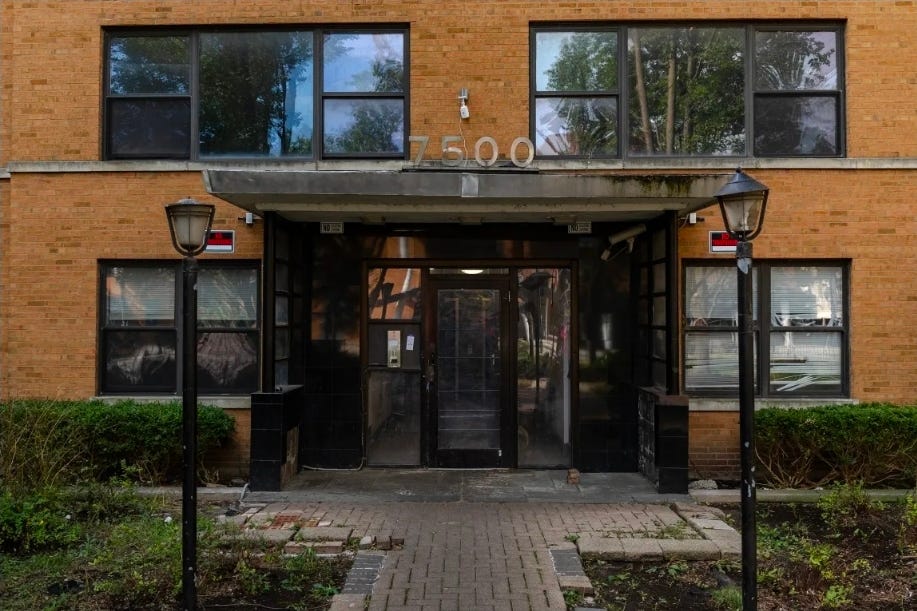
Her account sits inside a larger expansion of biometric enforcement. Last week, the Department of Homeland Security awarded a $25 million no-bid contract to BI2 Technologies, a company that specializes in iris recognition. The new contract is more than five times larger than BI2’s previous DHS contract from last fall.
As part of its proposal to the company, DHS requested more than 1,500 iris scanners and access to BI2’s mobile app, including a database where iris scans are stored. Irises contain patterns unique to each person, similar to fingerprints. Once captured, that data can become a permanent identifier tied to enforcement systems.
DHS told NPR that ICE officers use iris recognition technology to identify people during immigration enforcement and removal operations. For immigrants, accuracy is not the only issue. ICE is expanding biometric collection during raids, detentions, and deportations while the public still lacks clear answers about storage, access, retention, oversight, and future use.
Mejías’ case shows how that power can operate during an enforcement action. Nicole Hallett, a University of Chicago law professor and director of the Immigrants’ Rights Clinic, told NPR she believes officers wanted more than a standard photo. Other people arrested during the same raid also reported having photos taken before officers suddenly knew details about them. Mejías’ account stood out because officers specifically told her to open her eyes.
Hallett said the government did not know who Mejías was before pointing the device at her. Afterward, officers were able to call up her information. That is the surveillance problem: a person can be swept up first, scanned second, and identified through a database afterward. In that model, biometric technology does not merely confirm identity. It helps turn a raid into a search tool.
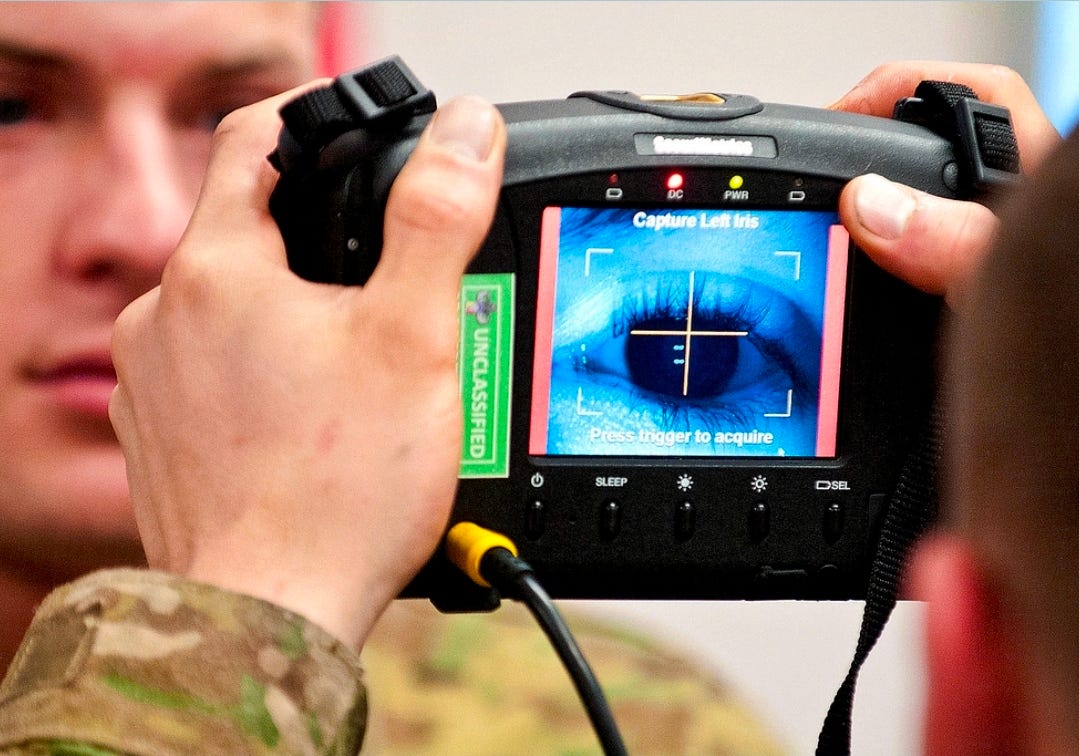
Iris recognition is not new. Sheriffs have used the technology for years in jails and in the field. Former Larimer County, Colorado sheriff Justin Smith told NPR that his deputies used BI2 iris scanners during booking and also used the company’s smartphone app outside the jail to identify people. He described the tool as useful when officers were looking for a specific person who did not have identification.
That is how these systems are usually presented: faster identification, fewer delays, more certainty. Inside immigration enforcement, the same speed carries a different consequence. It gives ICE another way to identify people during raids, connect them to records, move them through detention, and accelerate deportation.
A fast identification tool can also help build a broader government file. It can connect a person’s iris, face, location, immigration status, family contact, arrest record, field encounter, and future interaction with the state. Unlike a password, an iris cannot be changed. Once the scan is collected, the person has no practical way to separate their body from the database that captured it.
Privacy experts are warning about that structure. Cooper Quintin, a senior staff technologist with the Electronic Frontier Foundation, told NPR that ICE has already shown itself to be a “rogue agency.” He warned that ICE could scan people it detains, add that information to a database, and use it for further surveillance.
There is precedent for that concern. NPR has documented cases of federal immigration officers collecting DNA from people they arrested, including legal observers and protesters who said they were peacefully exercising First Amendment rights. Iris scans raise the same broader issue: biometric collection can move beyond identification and become a long-term surveillance layer.
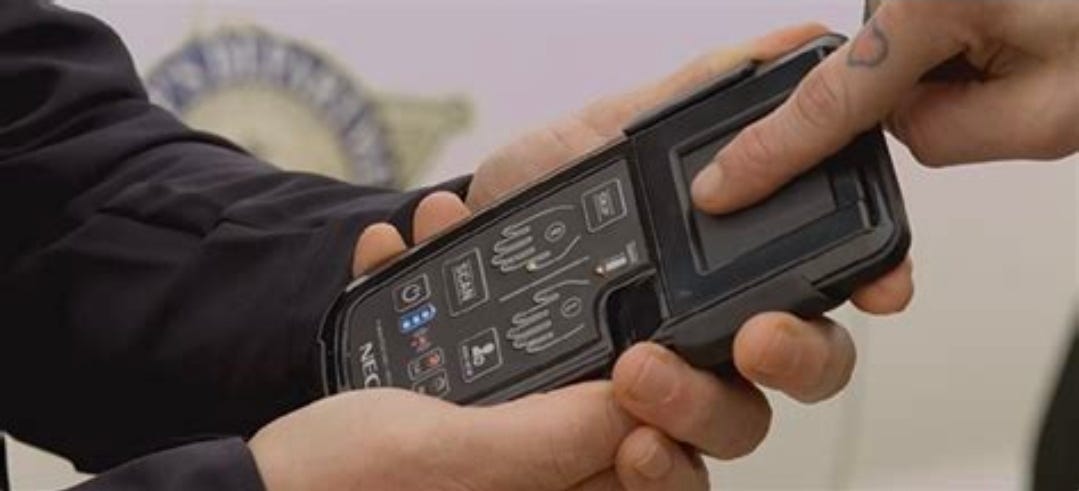
Marianna Poyares, a researcher at Georgetown Law’s Center on Privacy and Technology, told NPR that biometric identification can be used in narrow contexts, such as airport security. The risk changes when iris scans are stored with other sensitive information and connected to immigration enforcement databases. Without clear public oversight, DHS and ICE are building capacity to collect, combine, store, and reuse intimate data from immigrants long after the original encounter.
For immigrants, this is not an abstract privacy debate. An apartment raid can become a permanent biometric record. Asylum seekers, workers, family members, protesters, and bystanders can be entered into systems they never consented to join. The deportation machinery moves faster when the state gathers more intimate data from the people it targets.
The scale of the contract matters. A $25 million no-bid agreement for iris-scanning technology is not just a purchase order. It is enforcement infrastructure. It gives ICE more devices, more mobile access, and more capacity to identify people in the field.
That pipeline does not stop at the scanner. It runs through mobile apps, databases, field encounters, detention centers, family raids, deportation flights, and later government uses that may not be visible when the data is first collected.
Mejías was not voluntarily passing through airport security. She was inside her home during an immigration raid with her husband and child. She had fainted. Her eyes were swollen from crying. Then officers told her to open them wide.
That is not a neutral technology story. That is biometric capture under state pressure.
DHS can describe iris scans as identification tools, but identification changes meaning inside a deportation system built around raids, detention, family separation, and removal. When the person being scanned is seeking asylum, and the same agencies collecting the data are expanding enforcement power, the scan becomes part of the machinery that can follow them long after the raid ends.
More than 1,500 iris scanners, mobile tools, and database access give ICE a faster way to turn bodies into records. For immigrants, the eye becomes the ID, the home becomes the enforcement site, and the raid becomes the beginning of a data trail they may never be able to see, challenge, or escape.
That harm is already visible in Mejías’ story. The raid came first. The scan followed. Identification became detention, and detention became deportation while her asylum case was still pending. Her body became the access point for the state to pull up her record while her family was still inside the trauma of the raid.
The contract expands that process from individual encounters into infrastructure. It gives ICE more ways to capture biometric data in moments when immigrants have the least power to refuse: inside homes, during raids, in detention, and under the threat of removal.
A system built around biometric capture does more than identify people. It creates enforcement records from pieces of their bodies and stores those records inside databases controlled by the same government machinery trying to detain and deport them. For immigrant families already targeted by ICE, a scanner in an officer’s hand can begin a data trail that follows someone across agencies, borders, and years.
The concern is not technology in the abstract. The concern is immigration enforcement using the body itself as evidence, access point, and archive. A raid can become a biometric file. A home can become a collection site. A person seeking asylum can be scanned, detained, removed, and still remain trapped inside a database they may never be allowed to inspect.
That is what DHS is expanding.
RESIST|FIGHT WITH US
ICE surveillance does not begin at the detention door. It begins when immigration enforcement turns a person’s body, home, family, and public presence into data for the deportation machine.
Americans Against ICE keeps the record public because biometric power without public accountability becomes another way to track, detain, deport, and disappear people through systems they never agreed to enter.
Upgrade to a paid subscription to keep records like this public and independent.