

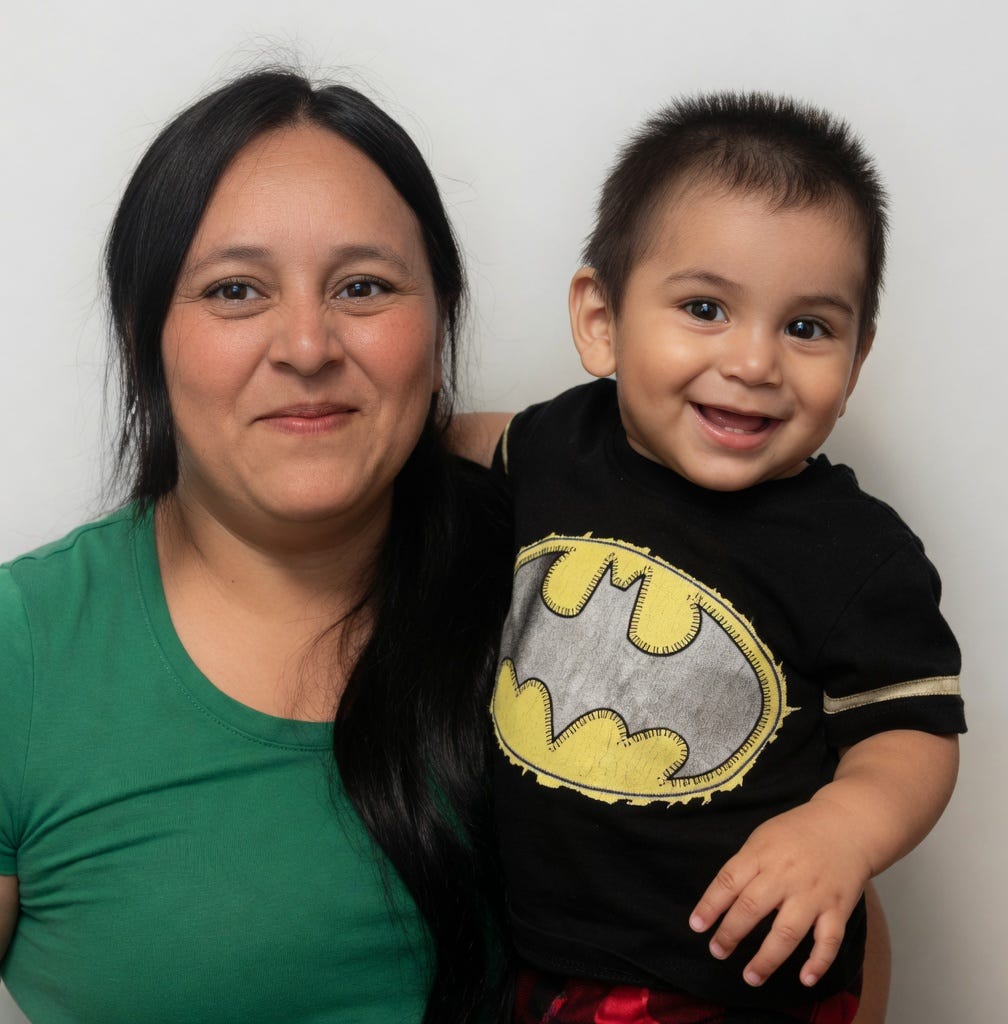
When Wendy Hernandez Reyes was deported without her three-year-old son, the separation was not an accident. It was state action. ICE removed a mother, left a small child behind, and then, after that child was killed, tried to push responsibility back onto the mother it had already forced out of the country.
That sequence is the story. A mother was deported. A child was left behind. A child was killed. Then ICE blamed her. This is not just a private tragedy that happened somewhere downstream of immigration enforcement. It is a record of what happens when the government tears a parent out of a child’s life and then treats the danger that follows as someone else’s burden to carry.
Wendy Hernandez Reyes says she did not choose this separation in any meaningful sense. She says she was deported without her toddler. The force entered first through the state, and the child was left to survive the consequences of a decision he did not make and could not control.
According to the reporting, Orlín Josué was left behind after ICE deported his mother and forced that separation into place. He was three years old. Samuel Antonio Maldonado-Erazo has been accused of killing him. The facts do not need embellishment. A mother was deported. A child was left behind. He was killed.
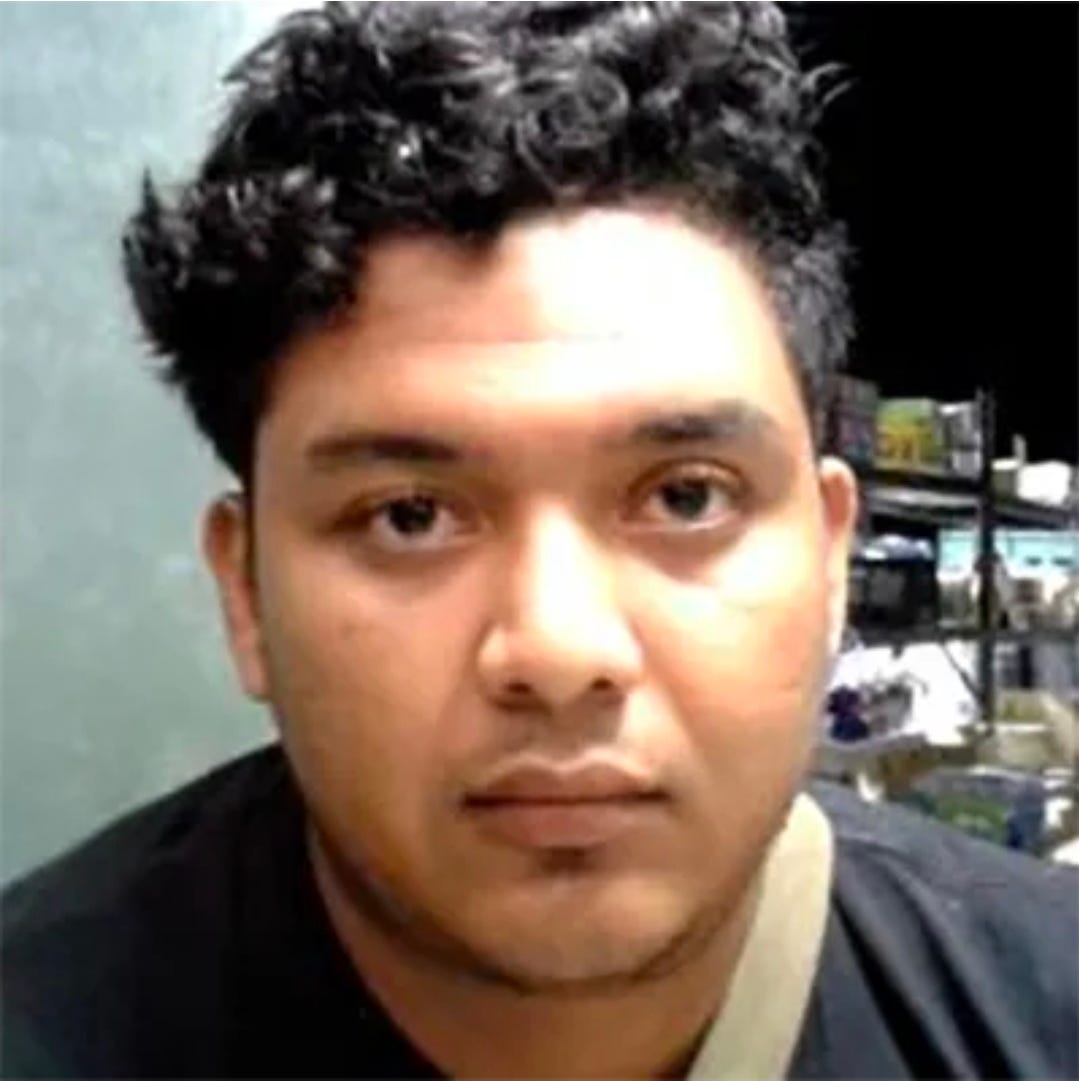
What happened after that is what hardens this from tragedy into indictment. ICE did not simply stand back and acknowledge the devastation of what had happened. It moved to blame Wendy Hernandez Reyes. Instead of reckoning with the separation it enforced, the agency tried to reposition itself as something other than an actor in the story. That is not just bureaucratic cruelty. That is self-protection.
Family separation did not end. It changed form. The public learned to associate that phrase with one set of images, one policy frame, one public scandal. But separation also happens when deportation removes a mother while her child remains behind in instability, dependency, and danger. The mechanism may look different. The violence does not.
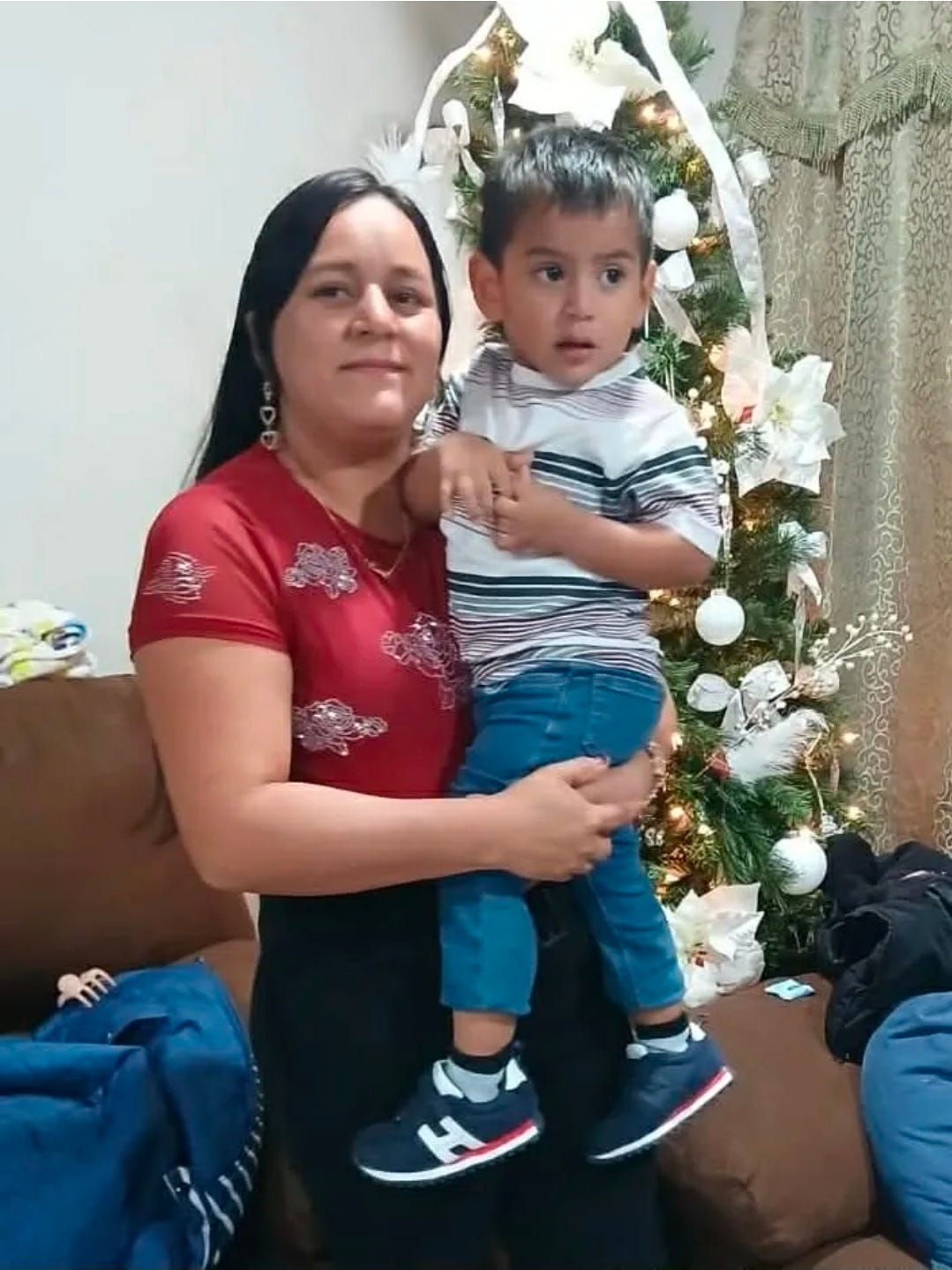
The point is not that the state caused every act that followed. The point is that the state created the break. It severed the child from the person responsible for his safety and then tried to wash its hands of what happened next. That does not erase the accused killer’s responsibility. It clarifies ICE’s. The agency does not get to act as if it stands outside a chain of events it helped set in motion.
That is what makes the blame shift so grotesque. It is not only that a mother lost her child after the government removed her from him. It is that the same machinery that enforced the separation then moved to assign her responsibility for the worst possible outcome. The state acted first. The mother absorbed the loss. Then the state protected itself with narrative.
That pattern is larger than this one case. Immigration enforcement does not just detain, deport, and separate. It also writes its own defense in public. It decides who will be seen as irresponsible, who will be made to look disposable, and who will be forced to carry blame after the government has already shattered the conditions that made safety possible. The people with the least power are expected to absorb the consequence and the accusation at the same time.
The child should still be alive. His mother should not have had to plead to remain with him. She should not have been forced to endure the loss of her son from another country after the government had already taken her from him. And she should not have then been made to carry the added insult of public blame from the same machinery that enforced the separation.
This is what immigration enforcement looks like when you strip away the softer language that tries to make it sound procedural. It is not just detention. It is not just removal. It is not just transport, paperwork, custody, or processing. It is the power to enter a family, break it apart, and then rewrite the story afterward so the state disappears from the harm it caused.
That is why this case matters beyond one family, one deportation, or one agency statement. It shows how easily the government can create conditions of vulnerability and then narrate itself as innocent once the worst has happened. It shows how blame is pushed downward, toward the mother, toward the migrant, toward the person with the least power to resist it. It shows how the state protects its own legitimacy first.
Orlín Josué was not collateral damage in an abstract policy debate. He was a child. Wendy Hernandez Reyes was not a symbol. She was his mother. ICE was not a bystander. It was part of the machinery that separated them and then moved to blame her after her son was killed.
That is the truth this case leaves behind. The state took the mother. The child died. And the machinery still tried to protect itself first.
A mother was deported. A child was left behind. He was killed. Then ICE blamed her.
This is why the record matters. Immigration enforcement does not only tear families apart; it tries to control the story afterward.
Support reporting that follows the harm, names the machinery, and refuses to let the state clean up the blame after a child is gone.
Sources / reporting referenced: Washington Post reporting on Wendy Hernandez Reyes, ICE, and Orlín Josué Hernandez Reyes; Pensacola News Journal reporting and photo documentation on Orlín Josué’s death, Samuel Antonio Maldonado-Erazo, and the GoFundMe to return Orlín’s body to Honduras.
Oh man, the suffering being brought about by our fellow countrymen, will be visited upon our descendants....I am sick
ICE created the situation that led to the horrific death of this beautiful child. The separation was bad enough but I’ve read accounts that the mother told ICE not to leave her child with the man who killed him because she knew he was an abusive man, and they ignored her. The man who murdered this child is an absolute fucking animal and I hope he gets 100 times worse than the pain and terror he caused this child!