

Brayan Rayo Garzon was sick, isolated, and pleading to call his mother from inside a Missouri jail holding ICE detainees.
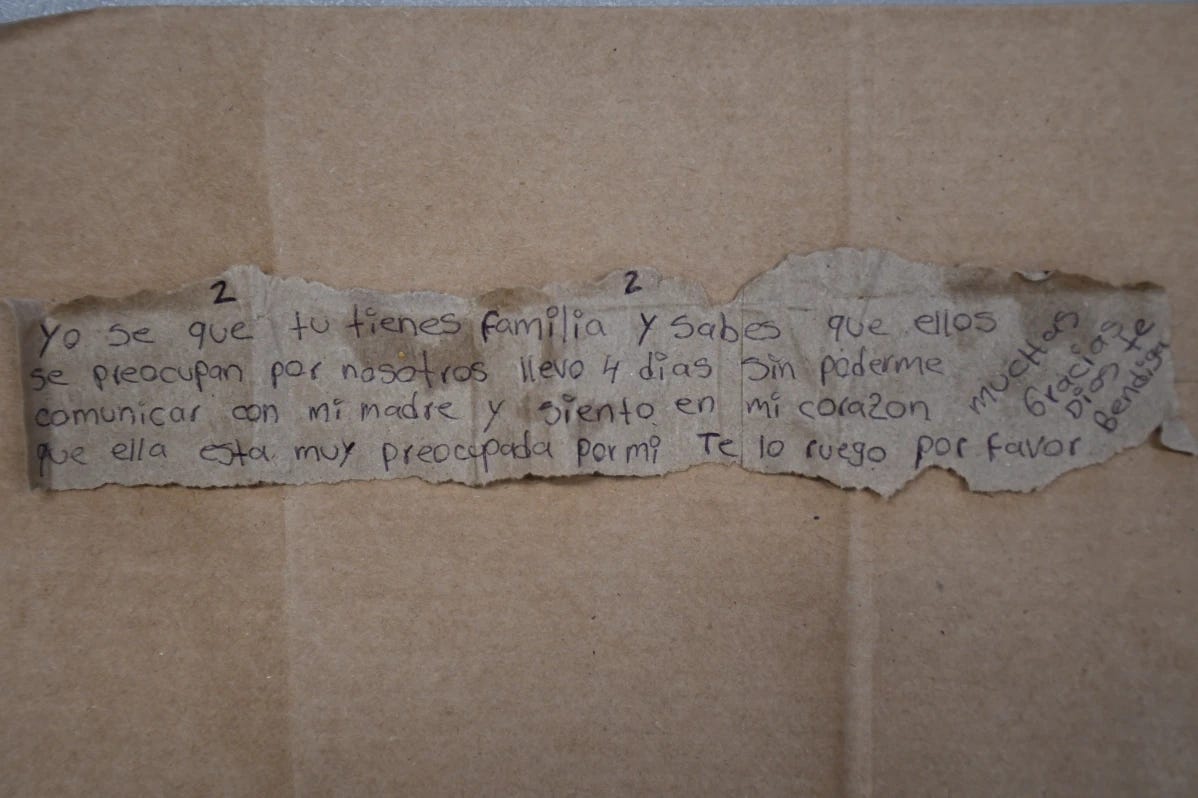
On his fourth day alone in a cell, while battling COVID-19 symptoms, he wrote to staff in Spanish asking them to arrange a conversation with her. He believed she was worried about him. “I feel in my heart that she’s very worried about me,” he wrote.
A guard collected the note and walked away. Within an hour, jail records show, Brayan was found unconscious in his cell. An autopsy determined he died by suicide.
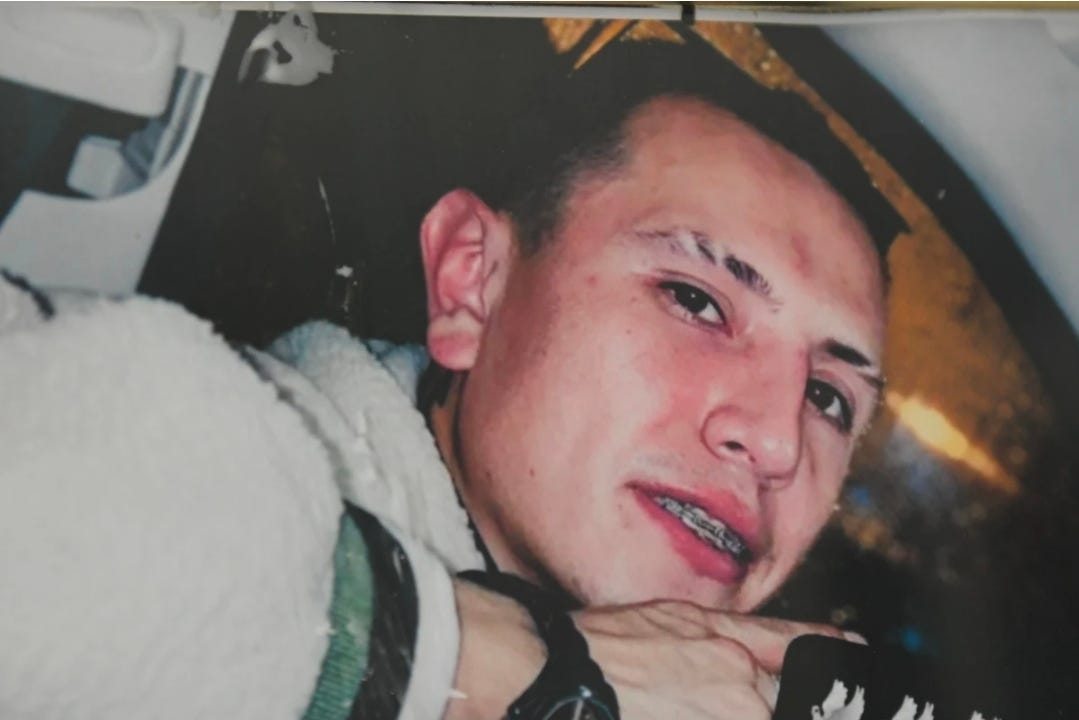
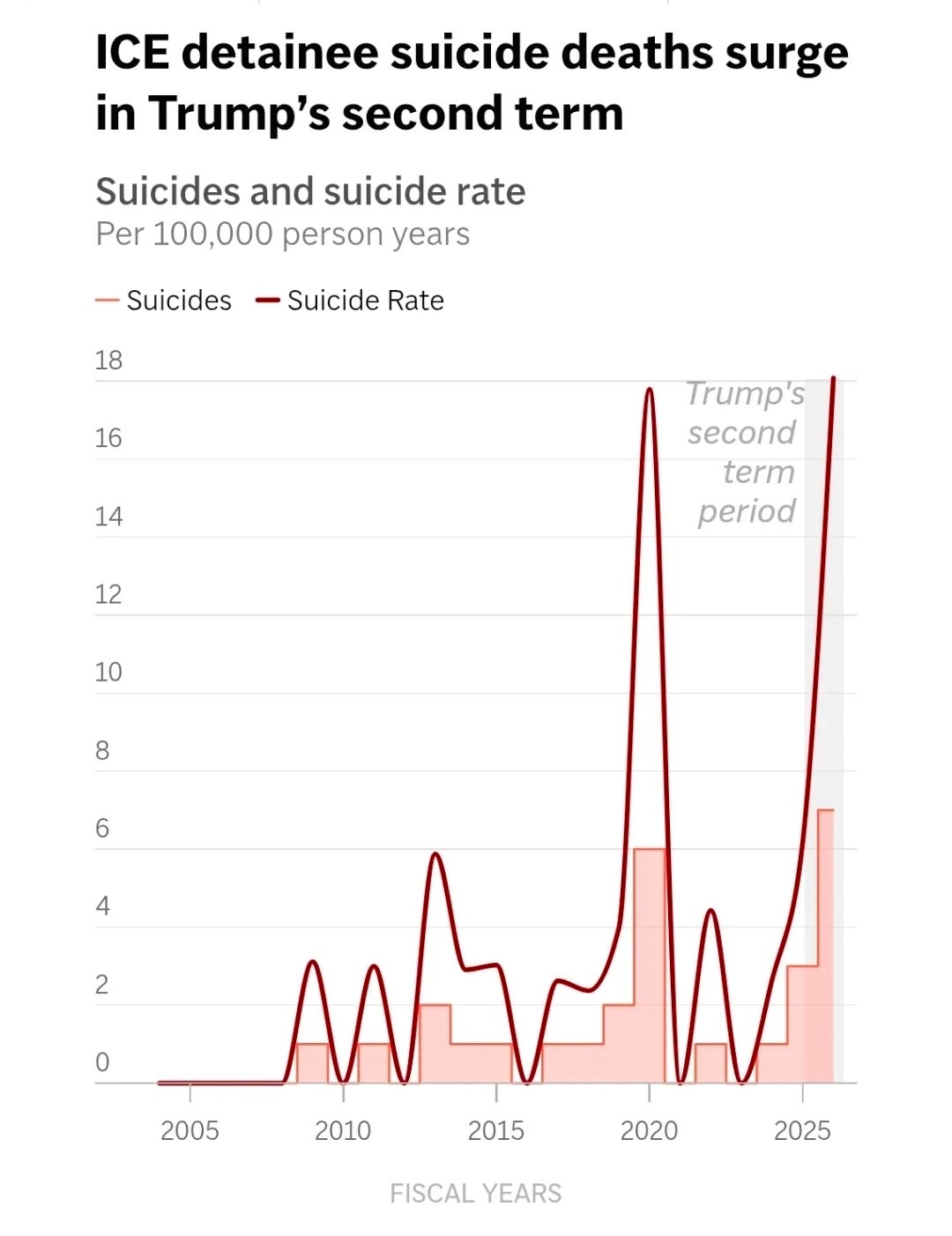
Brayan’s death is part of a sharp rise in suicide deaths inside ICE custody that has alarmed public health officials and jail experts. An Associated Press investigation found that at least 10 ICE detainees, all men, have died by suicide since President Donald Trump took office in January 2025. Since October, seven deaths have been classified as suicides, already the highest number for any fiscal year in ICE history.
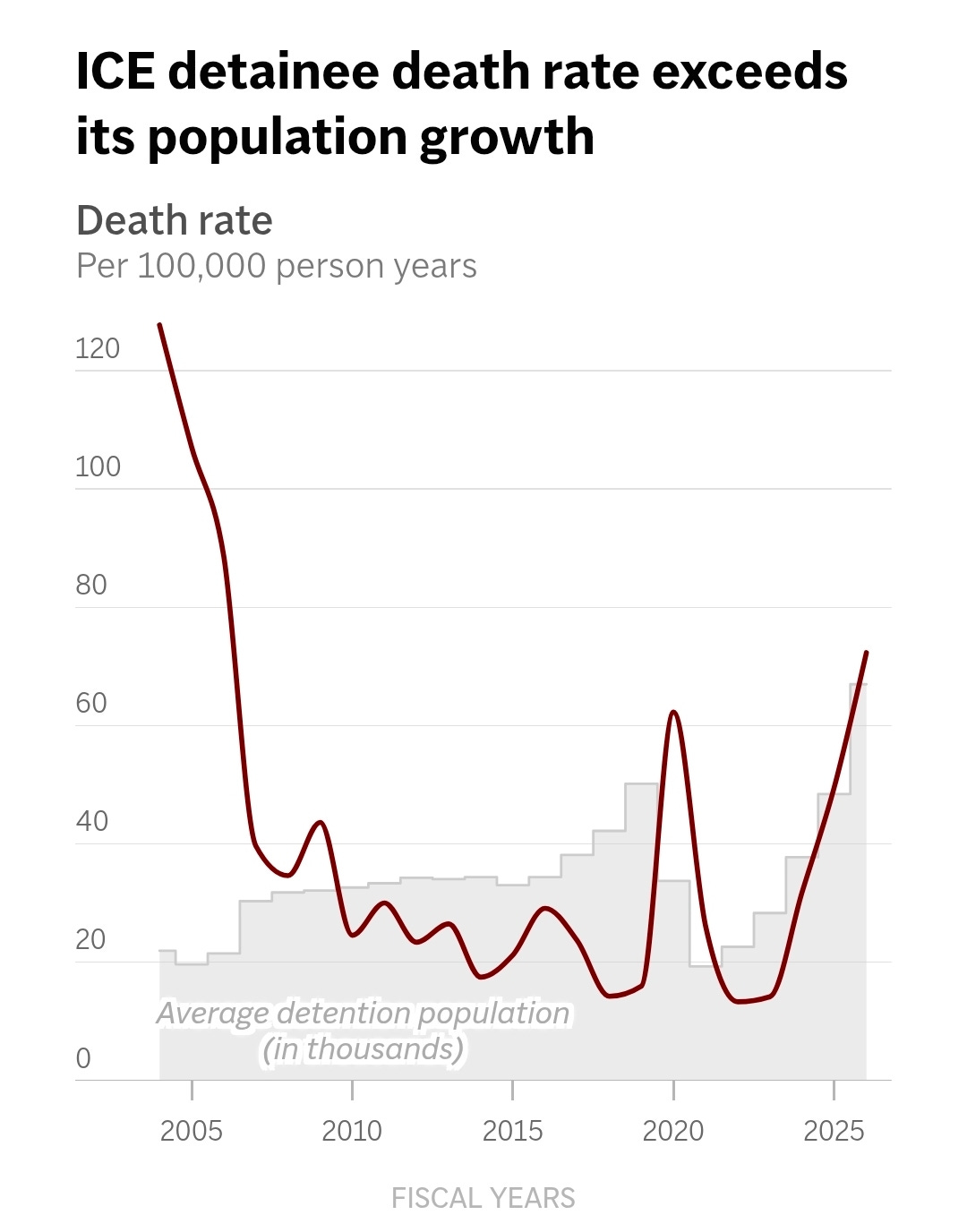
ICE usually records one or no suicide deaths in a year. The current pace is not simply a reflection of a larger detention population. The detained population has surged during Trump’s second term, but suicide deaths have risen faster than the system’s expansion. Public health experts told AP the increase is sudden and alarming.
The timeline of Brayan’s final days shows how detention failure becomes lethal. Records obtained by AP show that the Phelps County Jail took 35 hours to conduct his initial medical screening, even though ICE says detainees are screened within 12 hours of arrival. Brayan had labored breathing, told a nurse he was anxious, and asked for mental health treatment. The nurse did not speak Spanish and used a handheld translator during the assessment.
He was referred for a routine mental health appointment. Then he got sicker. He reported head pain and body aches, tested positive for exposure to tuberculosis bacteria, and was taken to a hospital, where he was diagnosed with COVID-19. After he returned to the jail, his mental health appointment was canceled. Then it was canceled again, this time because of his coronavirus infection. AP reported that the delays violated an ICE standard requiring mental health treatment within a week of referral.
ICE’s public language says detainees receive comprehensive medical and mental health care. Brayan’s record shows something different: delayed screening, canceled appointments, illness, isolation, and a man asking for help before help arrived too late.
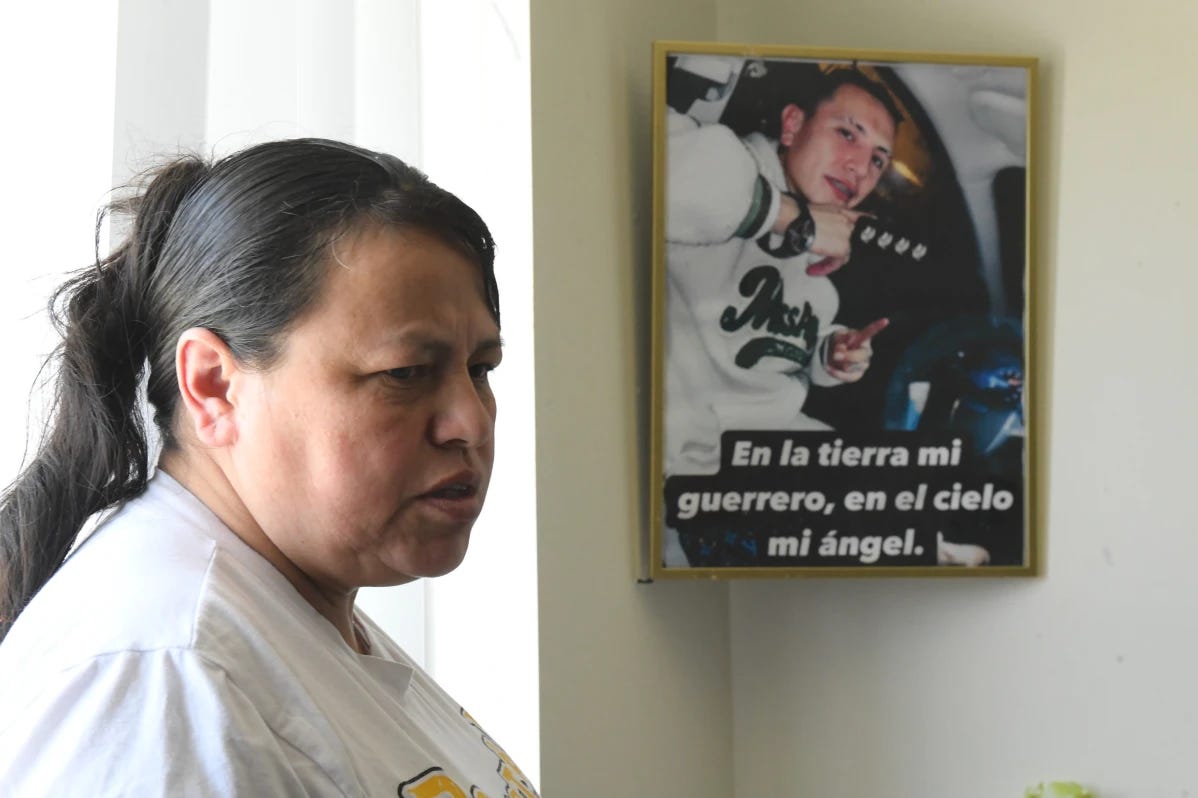
The phone call mattered. Before bed, Brayan had been calling his mother, Adriana Garzon, to share a Catholic blessing. She told AP those calls gave him strength. When jail staff moved him into a cinderblock isolation cell to prevent the spread of illness, they stopped him from making them.
On his fourth day in isolation, he pushed handwritten notes under the door. In one, he appealed to a guard’s humanity: “I know you have family, and you know that they worry about us,” he wrote in Spanish. “God bless you.”
That was the last documented plea before he was found unconscious.
This is where ICE detention becomes more than confinement. It becomes medical risk, mental health risk, language barriers, isolation, and family separation stacked inside one cell. Brayan was sick, anxious, asking for mental health care, cut off from the nightly call that helped keep him steady, and then left alone long enough to die.
AP’s investigation found similar failures across ICE’s detention network, including ignored signs of distress, delayed mental health treatment, poor monitoring of at-risk detainees, and access to materials that could be used for self-harm. In some cases, distressed detainees were placed in isolation, which experts say can worsen humiliation and helplessness.
The deaths occurred across the detention system: private detention centers, county jails newly partnering with ICE, an ICE camp, and a federal prison. Five men died in centers run by longtime ICE detention contractors CoreCivic and GEO Group. Others died in sheriff-run jails or facilities operated by contractors. AP reported violations at multiple sites involving screening, monitoring, suicide prevention checks, and access to care.
At Camp East Montana in El Paso, ICE inspectors documented 49 violations of detention standards after deaths and suicide attempts at the facility. Inspectors found that staff did not record required checks meant to prevent significant self-harm and suicide. They also found unsecured tools and equipment that could be used for harm. Calls to 911 showed that other detainees had attempted suicide there.
The charts make the pattern visible, but Brayan’s note makes it impossible to treat as abstract. Individual pleas are becoming part of a larger record of neglect.
The Trump administration has tried to frame ICE detention as necessary control over dangerous people. AP found that seven of the 10 men who died by suicide had no record of violent crimes in the United States. Brayan himself was classified in an ICE record as a laborer who was low risk to public safety. He had worked as a housepainter and food delivery driver while trying to save money to hire a lawyer after an immigration judge ordered him deported to Colombia.
His life was not the caricature Trump uses to justify mass detention. Brayan Rayo Garzon was 26, Colombian, and had served in the Colombian military. He crossed into the United States with his family, later settled with relatives in St. Louis, and worked as a delivery driver while trying to save money for a lawyer after an immigration judge ordered him deported to Colombia. His mother said he made friends easily and quickly learned how to live here. Then ICE took him into custody and placed him in a county jail that had only recently begun holding ICE detainees.
That county-jail angle matters. Phelps County had begun taking ICE detainees just one month before Brayan arrived. The sheriff had told county commissioners that partnering with ICE could generate millions of dollars for a department facing budget pressure. That is the machinery behind detention expansion: local jails, private contractors, federal deportation policy, and revenue streams built around human confinement.
When detention becomes income, oversight becomes even more urgent. Every delay in screening, ignored mental health referral, isolation decision, language barrier, and blocked family call carries consequences inside a system where people cannot leave.
DHS acting assistant secretary Lauren Bis told AP that suicide deaths in ICE custody remain “extremely rare.” ICE says staff follow protocols, receive suicide prevention training, and provide healthcare. Those statements belong in the record because they show the agency’s defense, but they do not change what Brayan’s timeline shows: his mental health appointments were canceled, his screening was delayed by 35 hours, his handwritten plea was collected, and men kept dying across ICE’s detention network.
ICE does not get to call these deaths rare while the number of suicides reaches a record high. It does not get to call care comprehensive while men in crisis are placed in isolation, left without adequate language support, delayed from treatment, or cut off from family contact. It does not get to expand detention and then treat preventable deaths as statistical noise.
Brayan Rayo Garzon’s final note should be read as evidence of what detention had already taken from him. He was not asking for special treatment. He was asking to call his mother while he was sick, isolated, and dependent on the people detaining him for basic care. That request matters because it shows the abuse before the collapse, before the official language, before ICE could reduce his suffering to procedure.
Within an hour, he was unconscious. That timeline is the record ICE has to answer for: not only what happened after his condition became impossible to ignore, but what was denied before it reached that point.
RESIST|FIGHT WITH US
ICE detention abuse does not begin when someone dies. It begins in the delays, isolation cells, denied calls, missed screenings, language barriers, medical neglect, and the system that turns human custody into revenue.
Americans Against ICE keeps that record public — because every death ICE tries to explain away still leaves behind a timeline, a paper trail, a family, and a name.
Upgrade to a paid subscription to keep records like this public and independent.


