

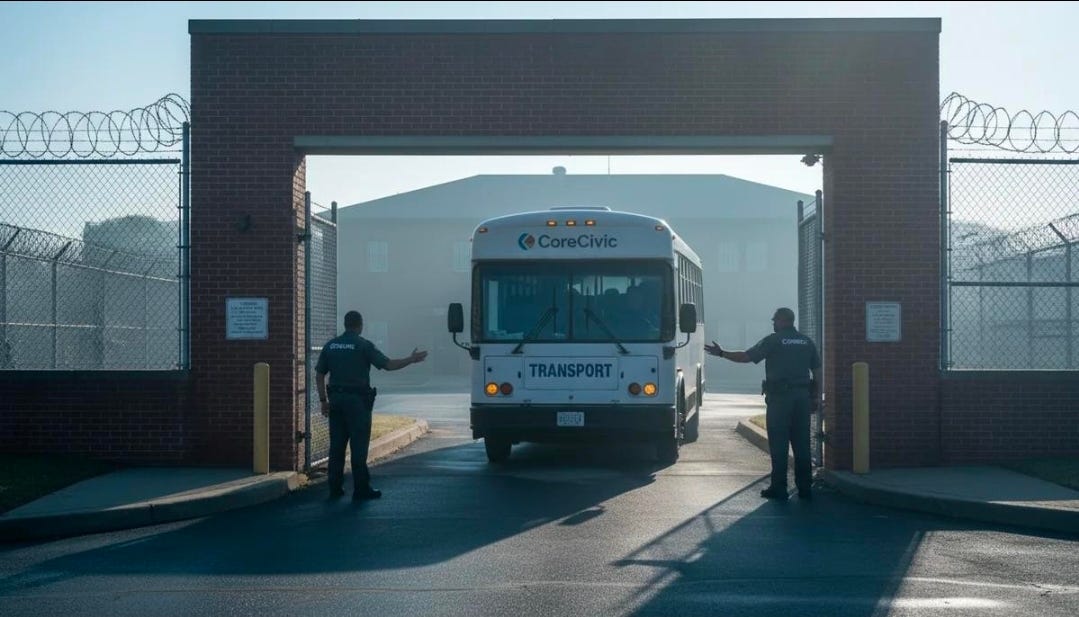
The Contract Language Says Medical Waste
ICE is building death infrastructure through a $55 billion detention expansion vehicle. The contract calls it medical waste and biohazard handling. The truth is dead body-handling capacity inside a detention system where people are already dying.
That is the sentence the government does not want written plainly, because the official language is designed to make the function sound smaller. It does not have to say dead bodies when it can say medical waste. It does not have to say death infrastructure when it can say contracting vehicle. It does not have to say bodies in custody when it can say operations support, logistics, biohazard handling, or detention expansion.
But inside ICE detention, language has to be read through the bodies already coming out of the system. People are dying in custody. ICE is expanding detention. The government is tying that expansion to a massive contracting vehicle. And inside the infrastructure record sits language for handling medical waste, biohazard materials, and reported biohazard-incinerator protocols.
That is not a side detail. That is the trigger.
The contract language says medical waste.
The function is dead body-handling capacity.
The $55 Billion Vehicle Is the Pipe
The $55 billion number is not proof that ICE already spent $55 billion on one physical object. That is not the point. The $55 billion is the ceiling of the contracting vehicle — the pipe through which infrastructure can move. WEXMAC TITUS 2.2 is a Navy contracting vehicle designed for expeditionary logistics, operations support, construction, transportation, base operations, medical support, and other services at scale. Federal contracting notices and industry reporting describe the WEXMAC TITUS 2.2 structure as a massive multiple-award contract vehicle with a $55 billion ceiling.
That matters because a contracting vehicle is how a government builds capacity without explaining the whole machine in one clean sentence. It does not need to publish a headline saying, “We are building the infrastructure around death in detention.” It can move through task orders, vendors, logistics language, construction categories, medical support categories, waste-handling categories, and operational support requirements.
This is how the machinery hides itself. The public is trained to look for one smoking-gun word, one confession, one document that says the quiet part in the most obvious language. But the state rarely writes its own cruelty that clearly. It writes around it. It buries function inside categories. It distributes the truth across procurement language until the public has to assemble the machine piece by piece.
The pipe is WEXMAC TITUS. The buildout is detention expansion. The death trigger is the medical-waste and biohazard language inside a system where detainees are already dying.
DHS Is Using the Pipe for Detention Expansion
The connection to ICE does not appear in a vacuum. Senators Elizabeth Warren and Jeanne Shaheen warned the Defense Department that DHS may be using the WEXMAC 2.2 TITUS contract vehicle to bypass normal acquisition procedures and fast-track construction of migrant detention facilities across the United States. Their letter said DoD should not be allowing DHS to use that vehicle to fast-track migrant detention construction.
That is the bridge.
A Navy logistics vehicle becomes the pipe. DHS becomes the user. ICE detention becomes the buildout. The public gets language about logistics, operations, and contracting, while the detention system underneath is preparing to hold more people.
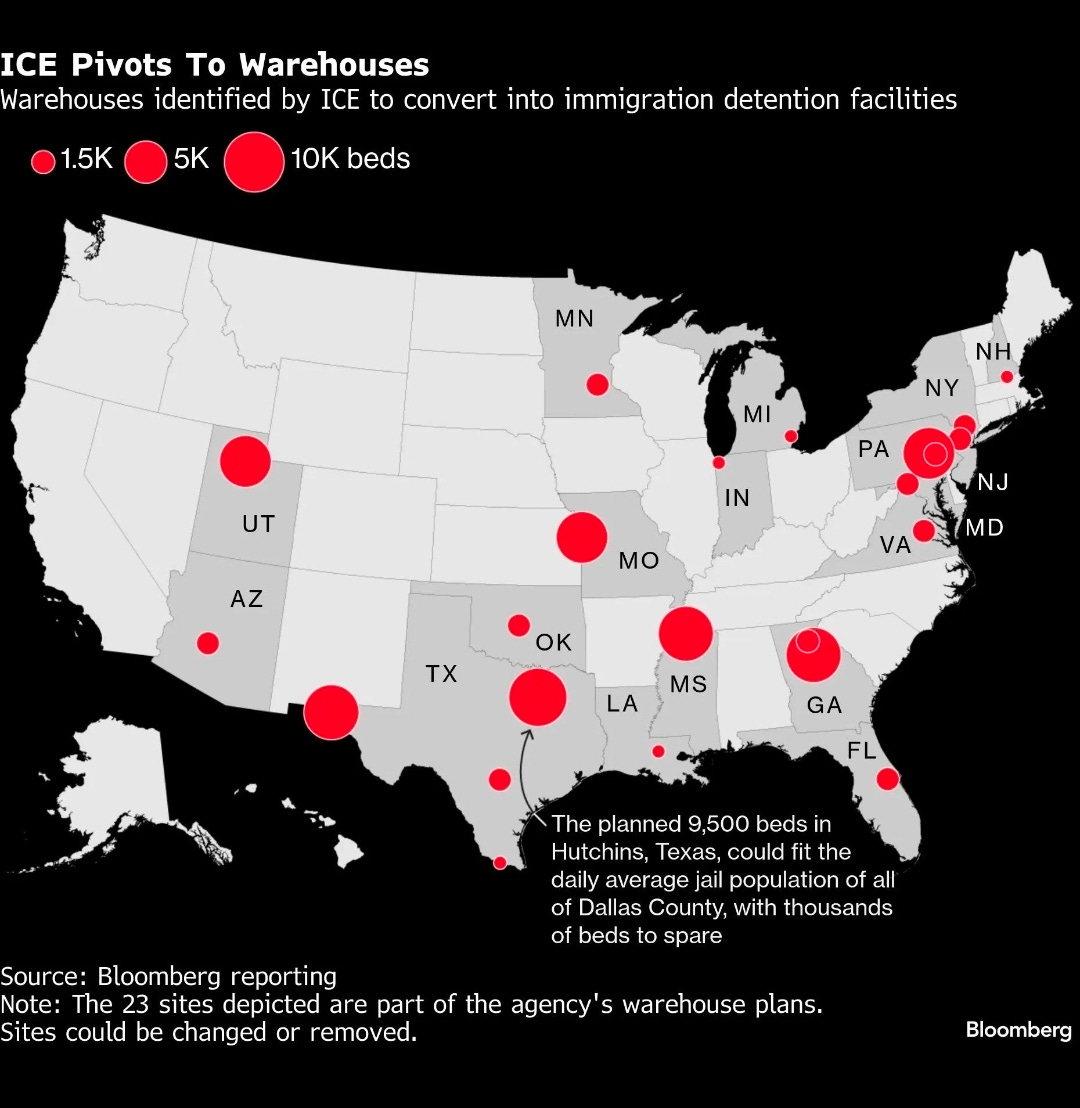
This is not abstract. ICE is not expanding a library. ICE is not expanding a school. ICE is expanding cages. It is expanding the power to seize people, hold people, move people, isolate people, and disappear people behind administrative language. When that system expands, every attached support function expands with it: food, guards, transport, medical access, surveillance, waste handling, evidence handling, and what happens when people die.
That is why the death infrastructure question cannot be separated from the detention expansion question. A larger cage system requires a larger support system. A larger detention system where people are already dying requires a larger death-handling system, whether the government admits that in plain language or hides it inside medical and biohazard categories.
People Are Already Dying in ICE Custody
This is where the contract language becomes impossible to treat as neutral.
ICE custody is already producing death. CBS reported that ICE had recorded its 18th detainee death in the first four months of 2026, putting the agency on pace for a record high if the trend continued. Reuters reported at least 17 ICE custody deaths by early April, following 31 deaths in 2025, which Reuters described as a two-decade high.
That is the reality the contract language sits inside.
Medical-waste language inside a normal hospital system is one thing. Medical-waste and biohazard handling inside an expanding detention system where people are dying in custody is something else. The official category may be broad. The function has to be read against the system using it.
A detention system that kills people has to handle dead bodies. That is not speculation. That is operational reality. Someone has to discover the body. Someone has to document it. Someone has to move it. Someone has to preserve or destroy evidence. Someone has to notify or delay notifying families. Someone has to decide what happens to blood, fluids, clothing, bedding, medical materials, biological evidence, and the dead body itself.
That is why “medical waste” is not harmless language here. It becomes the soft administrative cover around a hard question: what exactly is ICE building around the dead?
ICE is not just expanding cages.
It is building the infrastructure around dead bodies inside them.
Medical Waste Is the Soft Language
The WEXMAC draft language includes medical-waste handling requirements, including collection and storage, red bags or specified containers, and marking with the universal biohazard symbol and the word “BIOHAZARD.” Reporting on the WEXMAC detention buildout also pointed to medical waste management and biohazard-incinerator protocols.
The official language is medical waste. The truth is dead body-handling capacity.
Those are not the same words because they are not designed to do the same work. “Medical waste” makes the reader think of routine disposal. Gloves. Gauze. Needles. Red bags. Compliance. Sanitation. Paperwork. It sounds technical and contained.
But ICE detention is not a neutral medical setting. It is a cage system. It is a state removal machine. It is a place where people are already dying. When that machine expands and includes biological waste handling, the public has to ask what the system is preparing to do when more people die inside it.
The government does not have to say crematorium for the machinery to show itself. The stronger and more accurate phrase is death infrastructure: the support system built around detention, custody, medical neglect, biological disposal, evidence control, and dead bodies.
That is what makes this more dangerous than a viral headline. The real horror is not only one word. The horror is the architecture.
The Missing Public Protocol Is the Scandal
If ICE is expanding detention infrastructure while detainees are dying in custody, the public should not have to guess what happens to the bodies.
Where is the public body-disposition protocol?
Who decides when a dead body is moved? Who documents the chain of custody? Who preserves evidence? Who controls the medical record? Who tells the family? Who releases the remains? Who handles blood, fluids, clothing, bedding, medical materials, and biological evidence connected to the death? Who watches the contractor? Who prevents evidence from being destroyed?
And who ensures the dead are not processed through the same secrecy that surrounded them while they were alive?
These are not polite bureaucratic questions. These are the questions any detention system should be forced to answer before it is allowed to expand.
The state already controls the person in custody. It controls the walls, the medical access, the paperwork, the movement, the guards, the contractors, and the timing of information. When that person dies, the state also controls the first version of the death. It controls what the public sees first, what the family is told first, what evidence is preserved first, and what language gets attached to the body.
That is why death-handling infrastructure is not separate from accountability. It is accountability’s battlefield.
The System Is Preparing Around Death
The viral phrase “crematorium network” moved because people recognized the fear before institutions admitted the function. People do not trust ICE because ICE has earned no trust. A system of raids, cages, family separation, deportation, medical neglect, and deaths in custody has no moral right to demand soft language from the public.
But the stronger article does not need to depend on the word crematorium.
The stronger article names the chain.
A $55 billion contracting vehicle exists. DHS is tied to using that vehicle to accelerate detention expansion. ICE custody deaths are rising. The infrastructure record includes medical-waste and biohazard handling language. Reporting points to biohazard-incinerator protocols. The government has not publicly answered the dead body-handling question in a way that matches the scale of the expansion.
That is the chain.
That is death infrastructure.
The machinery is preparing not only to cage more people, but to manage what happens when people die inside those cages. The official words are chosen to keep the public calm. Medical waste. Biohazard. Logistics. Contract vehicle. Support services. Expansion.
But the body is what breaks the language open.
A dead detainee is not medical waste. A dead detainee is a human being who died under state control. If the system has built infrastructure around what happens after that death, then the public has the right to name it as death infrastructure.
This Is Not About Waiting for a Confession
The government almost never names its cruelty honestly.
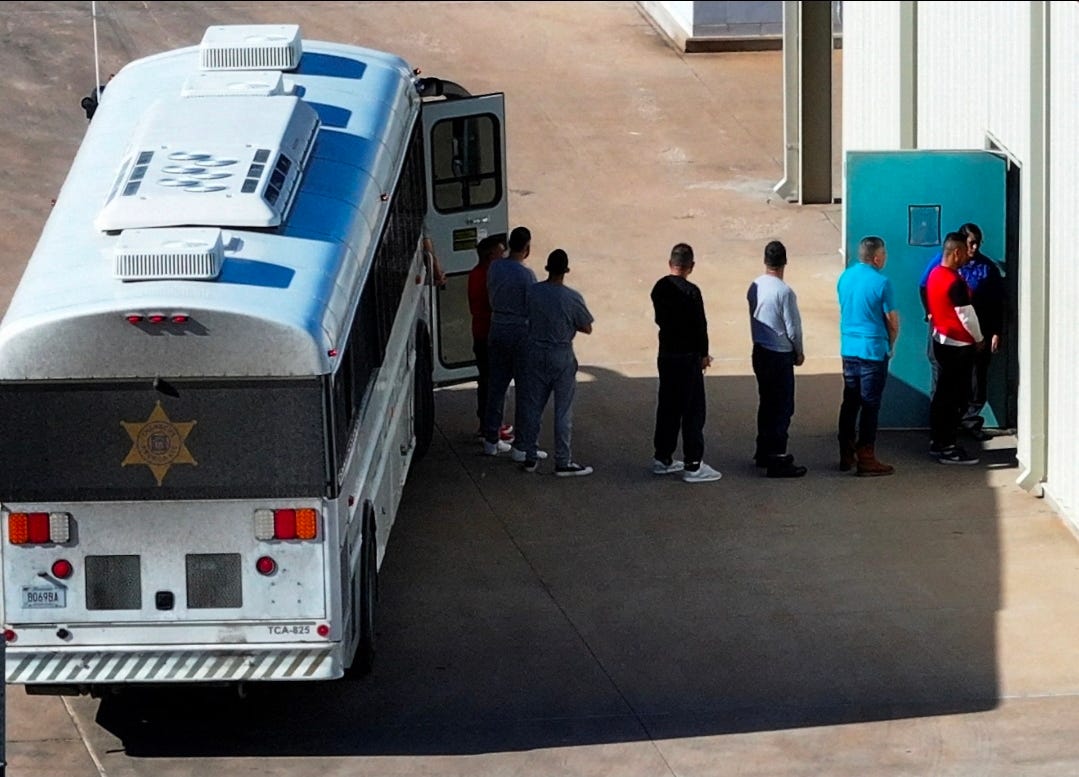
It does not call cages cages. It calls them detention facilities. It does not call disappearance disappearance. It calls it removal. It does not call family destruction family destruction. It calls it enforcement. It does not call death infrastructure death infrastructure. It calls it medical waste, biohazard handling, operations support, and logistics.
That is why the work is interpretation. The public record has to be read by function, not by the vocabulary the state chooses for itself.
If a detention system is expanding while people are dying inside it, and the expansion architecture includes medical-waste and biohazard handling, then the public does not need to wait for DHS to issue a press release saying the quiet part. The function is visible.
ICE is building a larger detention machine around a system already producing dead bodies. That machine needs dead body-handling capacity. The contract language points directly at the infrastructure around biological disposal. The missing public protocol tells the rest of the story.
This is not a misunderstanding. This is how state language works. It hides the body behind the category.
The Death Infrastructure Is the Point
ICE is not just expanding detention. ICE is expanding the full ecology of detention: capture, transport, warehousing, medical neglect, surveillance, contractor profit, biological waste handling, death reporting, and body disposition.
That is what makes the $55 billion vehicle so dangerous. It is not only a budget figure. It is a structural signal. It shows the scale of the system being built around mass detention, and every support function that comes with it.
The public should not be distracted into debating only whether DHS used one specific word. The contract language says medical waste. The function is dead body-handling capacity. The detention system is already producing deaths. The expansion makes the dead body question unavoidable.
The $55 billion vehicle is the pipe.
The detention expansion is the buildout.
The dead body-handling capacity is the truth inside the contract language.
That is the article.
ICE is building death infrastructure through a $55 billion detention expansion vehicle.
The contract calls it medical waste and biohazard handling.
The truth is dead body-handling capacity inside a detention system where people are already dying.
Share this report 🔻
The contract language says medical waste.
The system context says dead bodies inside ICE custody.
That gap is where the death infrastructure hides.
What else can we expect. They pick up people with little regard for their medication situation. People with diabetes or epilepsy. No meds, no treatment. Cancer, treatment schedule out the window. Most the people are not white. Anyone knows, minorities have much higher rates of chronic disease that needs daily treatment; diabetes, epilepsy, cancer. I’ll say it…as I would know. How are they helping people manage ostomies? They require daily management. Menstruation? We’re dealing with president terrified of women bleeding…think he’ll have empathy? Of course not.