

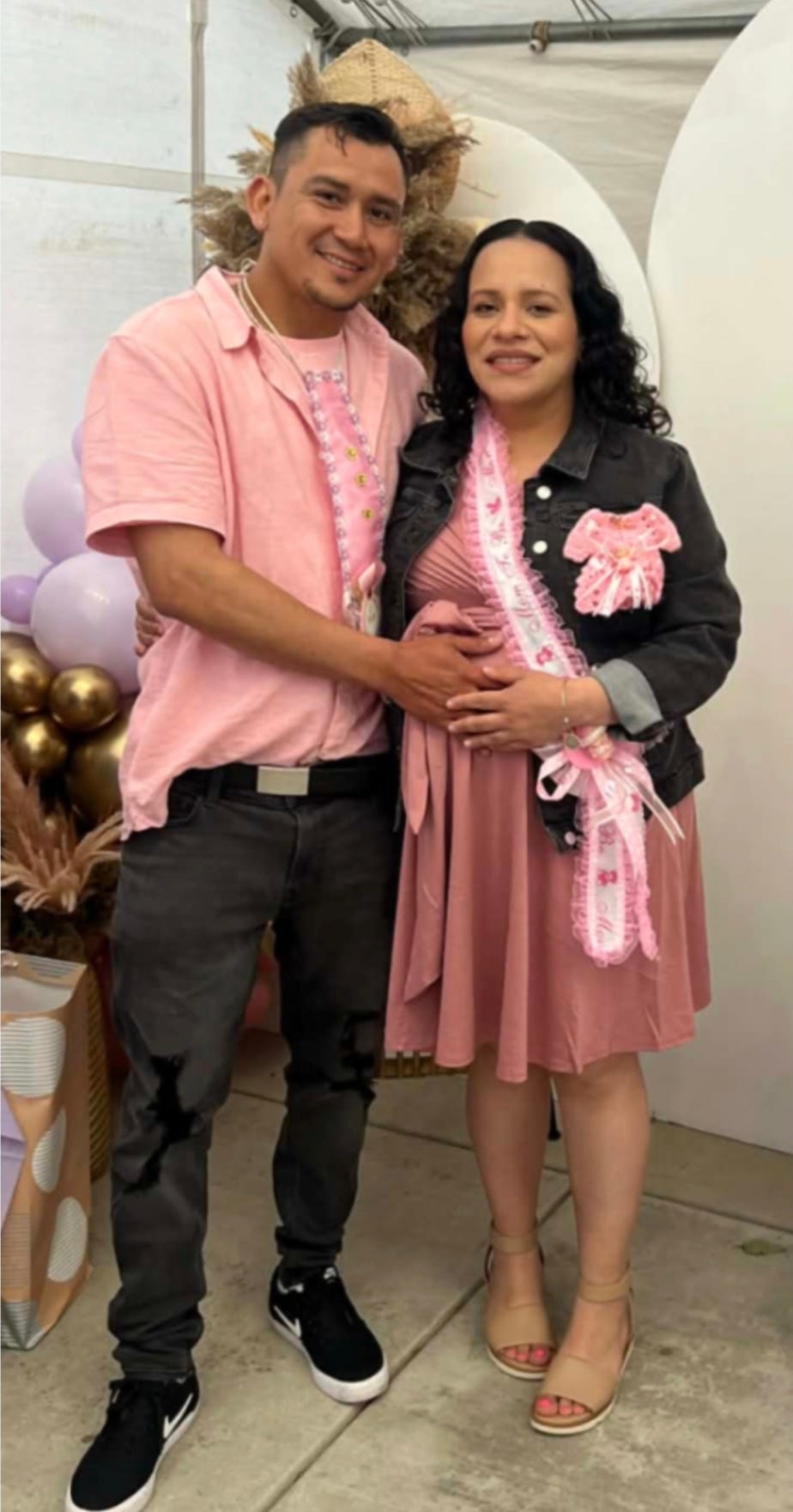
ICE agents shot Carlos Ivan Mendoza Hernández multiple times in California in April. Months later, he remains in federal custody, and his family says bullet fragments are still lodged in his body.
The shooting happened on April 7 near Patterson, California, during an attempted immigration arrest. Mendoza survived after undergoing multiple surgeries and was later transferred into federal custody following his hospitalization.
The case has already drawn national attention because Mendoza was shot repeatedly by federal agents and remained detained after surviving his injuries. Court proceedings and news reports have documented that he has continued moving through the federal detention system while facing criminal charges connected to the incident.
Now his family says the crisis did not end when the gunfire stopped.
According to relatives and advocates, bullet fragments remain lodged in Mendoza’s body, causing ongoing pain and medical complications. They say he has not received the medical care needed to address those injuries while he remains in detention.
Those specific medical claims have not been independently verified through publicly released medical records. But the family’s allegations raise a larger question that goes beyond one case: what responsibility does the government have to provide medical care to a person it shot and continues to hold in custody?
The public record already establishes two facts. ICE agents shot Carlos Ivan Mendoza Hernández multiple times, and he remains in federal custody.
What remains disputed is his current medical condition and whether he is receiving adequate care. Those questions have become the center of the family’s campaign, with relatives and advocates demanding answers about his treatment and the conditions of his detention.
The case also exposes a gap in public accountability. When a person is shot by law enforcement and remains in government custody, the public has little ability to independently assess that person’s medical condition. Families, attorneys, and advocates often become the only window into what is happening behind detention walls.
The story is no longer only about an ICE shooting.
It is also about what happens after the shooting—when the government continues to hold someone it injured and family members say the harm has never been fully treated.
Detention does not erase the government’s duty of care. When a person survives a law-enforcement shooting and remains in federal custody, questions about medical treatment, pain, and recovery do not disappear behind detention walls.
Government custody does not end the responsibility to provide care. Families should not have to fight for answers about the medical treatment of people the government has shot and continues to hold.
Americans Against ICE keeps the record public.