

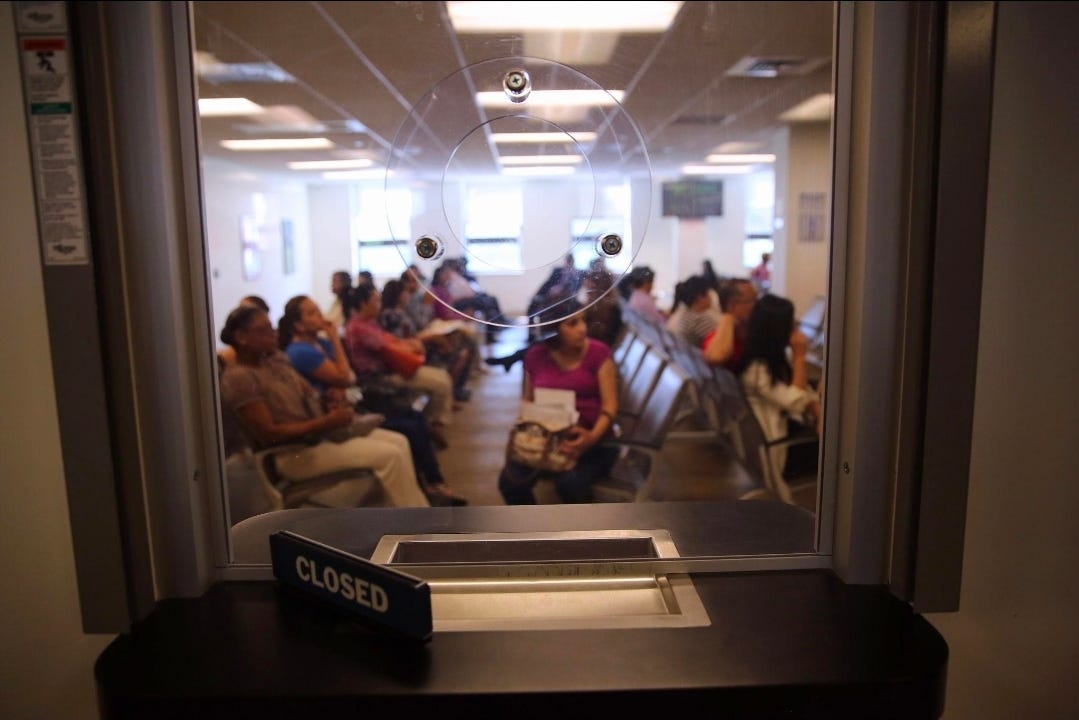
A federal judge on Friday struck down a Trump administration immigration policy that blocked final decisions for immigrants from 39 countries, ruling that U.S. Citizenship and Immigration Services acted unlawfully when it froze applications for asylum, work permits, green cards, and citizenship.
The policy was enacted after the shooting of two National Guard members and applied to immigrants from dozens of African, Asian, Latin American, and Middle Eastern countries. Under the policy, applicants from those countries were categorically barred from receiving final decisions in several major immigration categories handled by USCIS.
U.S. District Chief Judge John McConnell Jr. sharply criticized the administration’s actions, saying the policy threw “countless immigrants living in the United States into indeterminate legal limbo.” He found that USCIS claimed authority it did not have, failed to provide required explanations, ignored the reliance interests of applicants, and used pretextual national-security concerns to mask anti-immigrant sentiment.
In legal terms, the court said, USCIS’s actions were contrary to law and arbitrary and capricious.
That ruling matters because the harm was not limited to paperwork. The policy affected people who had already entered lawful immigration processes and were waiting for the government to make decisions on applications that shape work, protection, residency, family stability, and citizenship.
A blocked work permit can threaten someone’s income. A stalled asylum decision can delay protection for someone seeking safety. A frozen green card or citizenship application can leave families unable to plan around school, travel, housing, and long-term security. The court’s ruling recognized that USCIS was not simply moving slowly; it had shut down final decisions for people from targeted countries.
The case also exposed how immigration power can operate outside the most visible parts of enforcement. Immigration abuse is often seen through raids, detention, deportation, workplace actions, and family separation. But bureaucracy can also become a form of punishment when the government uses delay, silence, and blocked decisions to trap people in place.
Legal limbo does not look abstract from inside a family.
It looks like delayed work permits, stalled asylum protection, postponed education, postponed travel, delayed homeownership, and future citizens waiting for citizenship applications to move again.
Democracy Forward, which represented the plaintiffs, said the ruling reaffirmed a basic principle: the federal government cannot shut down lawful immigration pathways or discriminate against people based on where they come from. Its president and CEO, Skye Perryman, said the policies caused enormous harm to families, workers, asylum seekers, and communities across the country who were left unable to work, access protections, or move forward with their lives.
That phrase — move forward with their lives — is the human center of the case.
The Trump administration argued that Congress gave the executive branch broad authority over immigration policy and that the challenged guidance helped government personnel make consistent decisions. The court rejected that argument. The ruling makes clear that USCIS cannot invent authority, ignore required legal standards, and use broad nationality-based restrictions to block lawful applications by administrative command.
The policy did not apply to immigration judges handling asylum cases for people stopped at the border. It applied to USCIS, the agency responsible for many applications filed by people already inside the United States, including work authorization, asylum applications, permanent residency, and naturalization.
That distinction is important. These were not only cases about entry into the country. They included people already living in the United States, people already depending on pending applications, and people who had structured their lives around a legal process they were told to follow.
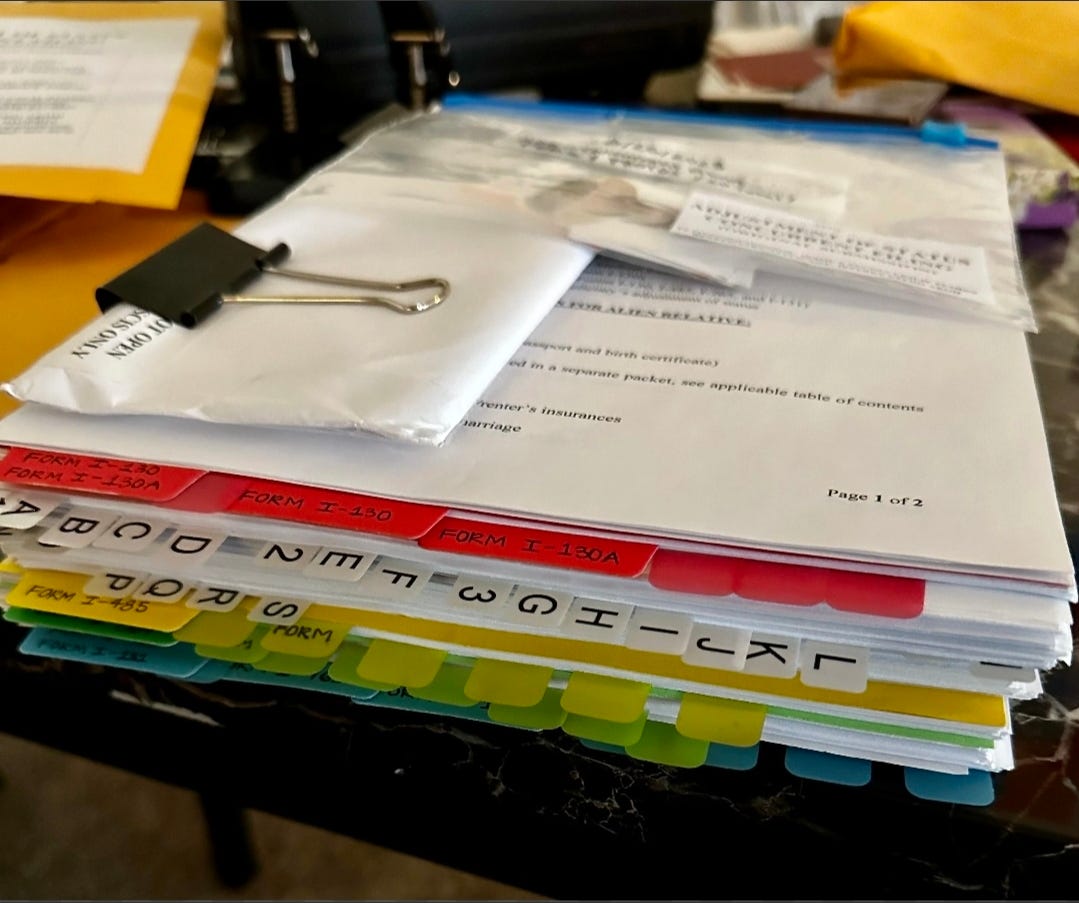
The ruling is expected to affect all pending USCIS cases involving people from the countries covered by the policy, not only the plaintiffs in the lawsuit. That makes the decision broader than one individual case. It reopens the question of whether the government can use “national security” as a blanket justification to stall lawful immigration pathways for entire groups of people based on nationality.
Immigration advocates said the ruling was a major legal victory. The American Immigration Lawyers Association said it helps ensure that legal immigration pathways remain open and that USCIS is held accountable to its congressionally mandated job of adjudicating applications.
That word matters: adjudicating.
USCIS is supposed to decide cases under the law. It can approve applications. It can deny applications. It can request more evidence. It can apply legal standards. But it cannot simply hold people from targeted countries in indefinite suspension because an administration wants immigration restriction to look stronger.
For Afghan allies, the consequences were especially severe. Shawn VanDiver, a Navy veteran who leads #AfghanEvac, said the ruling was a significant victory for thousands of Afghan allies and other immigrants who followed every requirement asked of them. He described people fearing lost jobs because work permit renewals were delayed, families postponing education, travel, and homeownership, and future Americans watching citizenship applications stall without explanation.
That is what this policy did in real life. It pushed lawful applicants into uncertainty while the government refused to move their cases forward. People who had followed the rules were left waiting for decisions the agency was legally required to make.
The court ruling does not erase the months of uncertainty. It does not give back lost time, delayed income, postponed plans, or the stress placed on families who were forced to live under a policy the court has now found unlawful. But it does place the conduct in the public record.
The ruling places the central facts into the record: USCIS acted beyond its authority, the administration’s national-security justification did not survive judicial review, and immigrants from 39 countries were left waiting while lawful pathways were blocked.
That record matters because immigration power expands when the public only watches the most visible forms of enforcement. A raid is visible. A detention center is visible. A deportation flight is visible. A frozen application can happen quietly, inside an agency process, while families are left to absorb the damage.
The ruling is a legal victory, but it is also a warning. A government does not need to deport someone immediately to destabilize their life. It can delay a work permit. It can freeze a green card. It can stall citizenship. It can suspend a path to protection and leave people waiting long enough for the waiting itself to become harm.
That is why this belongs in the public record.
The harm was not only that the Trump administration targeted immigrants from 39 countries. The harm was that people were told to follow the process, then the process was frozen against them.
This report is part of the public record on immigration abuse, legal limbo, USCIS delays, blocked work permits, stalled asylum claims, frozen green card applications, and citizenship cases left without answers.
Upgrade or subscribe to support Americans Against ICE and the work that keeps these records public.
Immigration continues to shape the national conversation in the United States.
A major enforcement funding package has been passed, signaling a push toward stronger border management and operational capacity.
At the same time, debates over detention conditions and reporting policies remain active.
This reflects a broader challenge:
How do nations secure borders while upholding values of fairness, accountability, and human dignity?
Immigration is not just a policy issue.
It is a human issue, an economic issue, and a test of governance.
The path forward requires balance
between security and compassion,
between enforcement and trust.
Because the strength of a system is measured not only by how it protects borders,
but by how it treats people.