

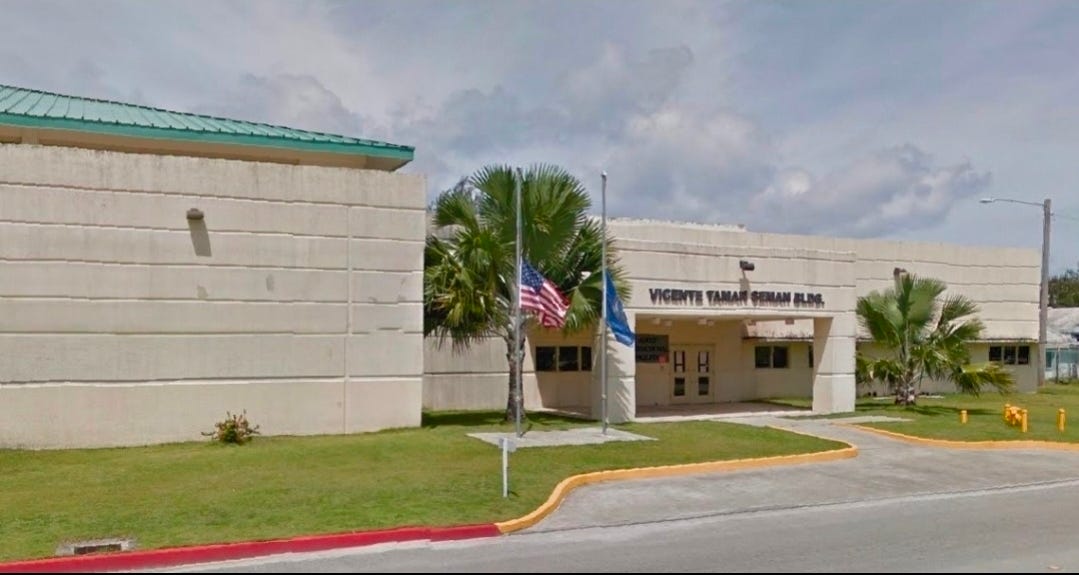
Lianyong Wei was 51 years old when ICE took custody of him in Saipan on August 22. By the next morning, a corrections officer found him unresponsive inside the Northern Mariana Islands Department of Corrections facility. He was taken to a hospital and pronounced dead. What happened during the short stretch of time between ICE assuming custody of a living man and Wei being found unresponsive has not been fully explained.
ICE had responsibility for Wei while he was confined, yet key details about his condition after intake remain publicly unanswered. The agency had not disclosed whether he received the medical screening expected after entering custody, whether he reported symptoms or distress, when he was last observed responsive, or what monitoring occurred before the morning check that ended with him being rushed to emergency care.
Those missing answers matter because custody creates control. Wei could not choose his own medical provider, leave the facility, or independently seek help once ICE assumed responsibility for his confinement. His access to care, observation, emergency intervention, and documentation depended on the system holding him. When someone dies under those conditions within hours of admission, the record of what happened inside that facility becomes an accountability question, not an administrative detail.
ICE has said a corrections officer found Wei unresponsive during morning checks and that emergency aid followed before he was transported to the hospital. The cause of his death remains under investigation. What remains unresolved is the condition Wei was in before that morning check, whether warning signs were documented, and whether anyone inside the facility recognized those signs before he was found unresponsive.
The public disclosure of Wei’s death raises a separate accountability issue. Northern Mariana Islands authorities announced his death on August 24, while ICE did not publicly announce it until more than a week after he died. The agency responsible for his immigration custody was therefore not the first institution to tell the public that a man had died after spending only hours under its control. That delay strengthens the demand for a complete record of his detention, medical care, emergency response, and death.
Wei’s death sits inside a growing record of people dying while held by the federal immigration system. Associated Press tracking identified him as at least the fifth Chinese national to die in ICE or Border Patrol custody since March 2025, while dozens of deaths have been recorded across ICE detention since early 2025. That pattern gives Wei’s death broader significance without replacing the individual facts of what happened to him.
Chinese consular officials have called for a thorough investigation, disclosure of the findings, assistance for Wei’s family, and steps to prevent another death. Those demands do not replace the obligation already created by ICE custody. Wei entered that system alive, and the government that confined him now owes a full account of what happened from intake through the moment he was found unresponsive.
Lianyong Wei died after spending only hours in ICE custody. Until the medical records, monitoring timeline, emergency-response record, and cause-of-death findings are released, ICE still owes a complete account of Wei’s treatment and care while he was under its control.
Upgrade to a paid subscription to help Americans Against ICE document deaths in immigration custody, track unanswered detention failures, and keep pressure on the systems responsible for people held under federal control.
Heartbreaking