

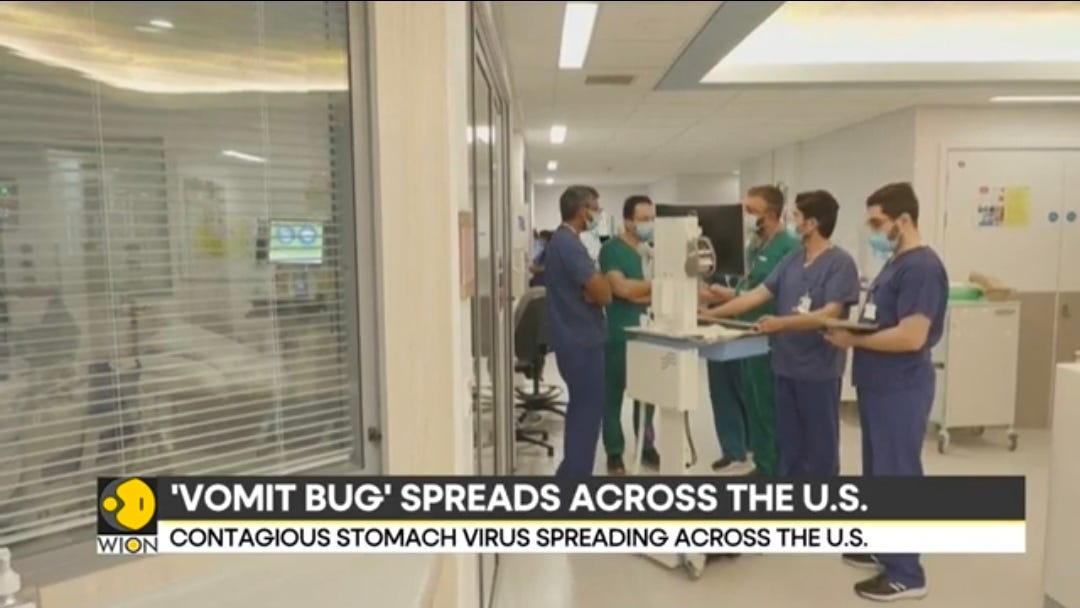
Norovirus is moving through the national public-health conversation again, but most warnings still speak to people who have some control over their surroundings. The standard guidance is familiar and useful: wash with soap and water, disinfect contaminated surfaces, avoid preparing food while sick, and keep distance from others until symptoms pass. Those steps depend on access to supplies, clean bathrooms, responsive medical care, and enough space to separate from exposure. In ICE custody, prevention does not begin with individual choice. It begins with the conditions a locked facility is willing and able to provide.
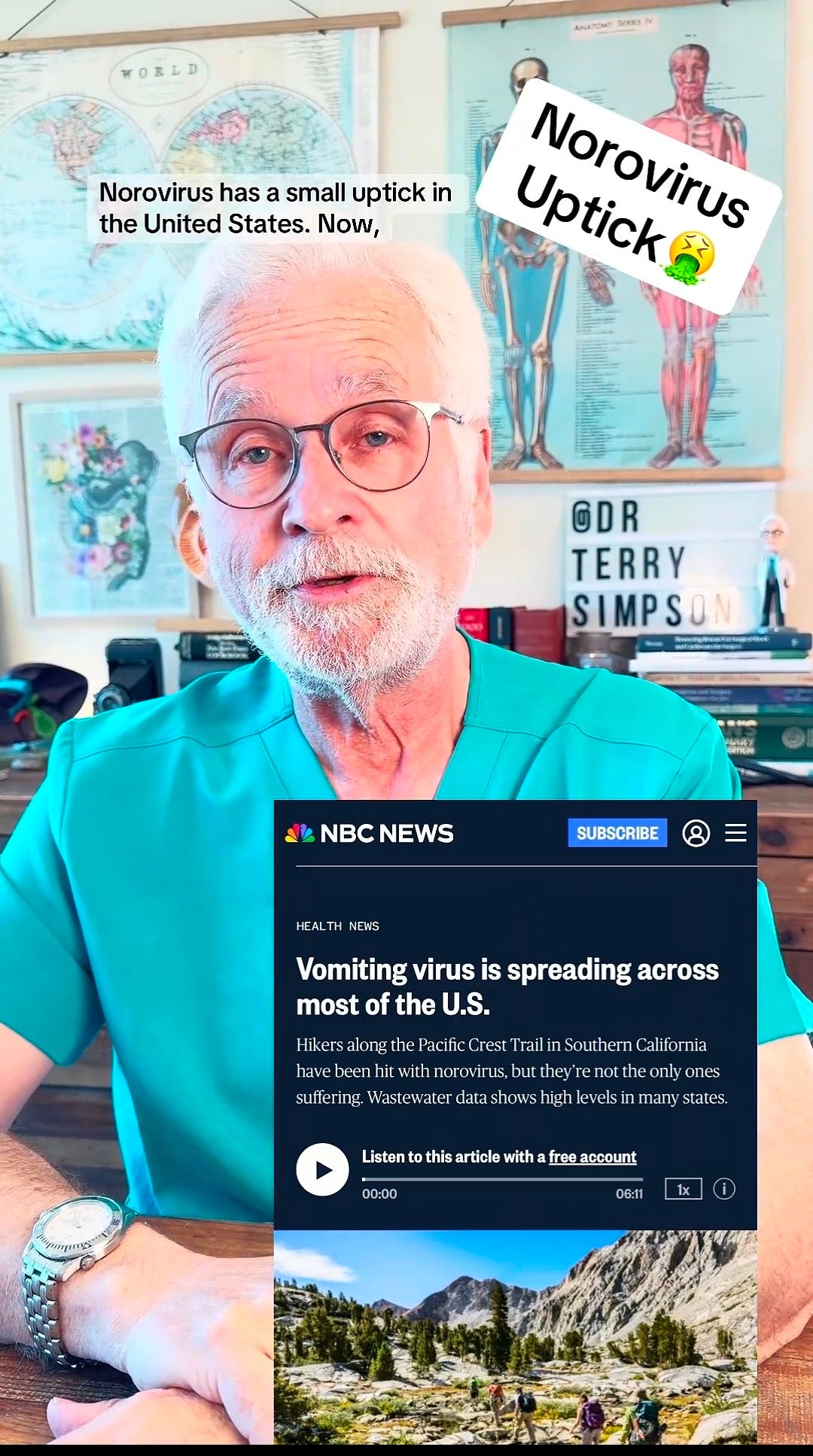
The CDC reported 1,194 norovirus outbreaks from August 1, 2025, through May 7, 2026, among NoroSTAT-participating states. Researchers have also documented a strain shift, with GII.17 becoming dominant in recent U.S. outbreak data after overtaking GII.4 across multiple months of surveillance. The numbers matter because norovirus is not mysterious or unpredictable. Public-health authorities already know how fast it can move through shared environments, especially where bathrooms, food systems, surfaces, and close contact become part of the same chain of exposure.
That is where the detention system becomes central to the story. Norovirus spreads through contaminated food, water, surfaces, and close contact with infected people. Facilities that hold immigrants concentrate those risks through design: shared sleeping areas, shared sanitation spaces, facility-run meals, common surfaces, restricted movement, and medical access routed through custody staff. The first case is only the beginning of the danger. The larger risk is the structure around that case, especially when cleaning, reporting, isolation, hydration, food safety, and medical response all depend on the institution holding the person who is sick.
This is not a side issue in a health report. It is the pressure point. A virus that thrives in close quarters becomes more dangerous when people are held inside environments that reduce personal control and limit outside visibility. In that setting, prevention becomes a measure of whether ICE, facility operators, and federal contractors are prepared to protect people with real sanitation, timely care, safe separation, transparent reporting, and enough staffing to respond before illness moves through a unit.
ICE’s own detention standards recognize that medical care and infectious-disease management are custody responsibilities. Federal guidance describes access to health services, screening, treatment, and procedures for managing communicable disease inside facilities. That paperwork does not prove people are safe. It proves the government already knows disease risk follows confinement. Once the state controls housing, food, movement, and medical access, outbreak prevention becomes part of the duty created by custody itself.
ICE expansion makes the warning larger. Every added bed, reopened facility, temporary holding site, and crowded unit increases the number of places where a virus can move behind restricted access and controlled information. Enforcement expansion is often described as capacity, but capacity also creates new sanitation burdens, medical-response demands, food-service risks, and reporting obligations. When those systems are weak, the danger grows with the footprint. Public-health failure becomes easier to hide because the public sees the policy announcement long before it sees the conditions inside.
That is the ramification this article is naming. An expanding detention system can become outbreak infrastructure when medical accountability, sanitation oversight, and transparency do not expand with it. A facility does not need to intend harm for harm to become predictable. Crowding, delayed care, weak cleaning protocols, contractor opacity, and restricted access can turn a known virus into a foreseeable custody failure. Norovirus does not need permission to move through a place built around shared exposure.
Recent reporting on Camp East Montana shows why the warning cannot wait for a confirmed norovirus disaster. Civil rights groups sued over conditions at the Fort Bliss immigration detention site in El Paso, alleging physical abuse, poor medical care, overuse of solitary confinement, unsanitary conditions, food scarcity, and exposure to infectious diseases. Reuters reported that the facility held more than 2,700 detainees, had seen three deaths in its first nine months, and had received dozens of detention-standard violations during an inspection. The Guardian reported similar allegations, including inadequate medical and mental-health care and disease concerns. ICE and DHS denied the abuse claims, but the allegations and reported inspection findings show why detention sites must be treated as public-health danger zones, not administrative background.
A serious public-health response would begin before illness spreads through a unit. Facilities should already be documenting daily access to soap, clean water, clean bedding, safe bathrooms, food-service monitoring, and timely medical care. Outbreak prevention also depends on whether sick detainees can report symptoms without fear, whether contaminated spaces are cleaned immediately with products effective against norovirus, and whether families, attorneys, and the public are told when disease begins moving through a facility. Without those protections, the public is being asked to trust a sealed system during the exact kind of outbreak that requires speed, disclosure, and accountability.
Trust matters because detention changes the meaning of medical reporting. Outside custody, a sick person may call a doctor, clean a bathroom, warn family members, or separate in whatever limited way their home allows. Inside custody, reporting symptoms means entering the facility’s chain of command. A detainee may have to rely on staff to take illness seriously, wait for sick call, face language barriers, fear retaliation, or be placed in conditions that feel punitive rather than protective. Public-health plans depend on early reporting, but early reporting weakens when the people at risk do not trust the institution controlling their bodies.
The risk also extends beyond the walls. Guards, medical staff, food-service workers, transport officers, vendors, contractors, and other personnel move between detention sites and the outside world. Detainees may be transferred, transported to court, taken to hospitals, or moved between facilities. Families wait for information, attorneys try to reach clients, and surrounding communities remain connected through labor, emergency services, medical systems, and public infrastructure. A communicable virus spreading through custody is not sealed away simply because the public is kept at a distance.
Mainstream coverage of norovirus cannot stop at household prevention. Homes, schools, nursing homes, shelters, and workplaces matter, but detention spaces belong in the same public-health frame because the people inside have the least power over exposure and response. Leaving those facilities out of the conversation makes the warning incomplete. It also makes detained immigrants easier to erase from the public map of who deserves protection.
The strongest public-health advice in the world fails when it is written only for people with freedom. A person in ICE custody depends on the facility for clean water, safe sanitation, medical attention, food safety, bedding, outbreak information, and access to help. When the government removes those choices, the government owns the consequences. If illness spreads because basic protections were delayed, denied, hidden, or treated as optional, that is not bad luck. It is state responsibility.
Norovirus does not need politics to spread. It needs contaminated surfaces, close contact, delayed cleaning, shared sanitation, and people held in conditions where exposure is hard to avoid. ICE detention can supply those conditions through design, neglect, overcrowding, or expansion pressure. The warning is already inside the structure: the more ICE expands confinement, the more it expands places where public-health failure can be hidden until people are already sick.
Public-health warnings mean nothing if they leave out the people locked inside the conditions where outbreaks spread fastest.
This report is part of the work Americans Against ICE is building: tracking the public harms officials minimize, connecting detention expansion to the risks it creates, and keeping the record open before the damage is buried as policy language.
Upgrade to paid subscriptions to help carry the reporting behind this work.
We're fucked! I just recovered from a flu. I thought I was going to die