

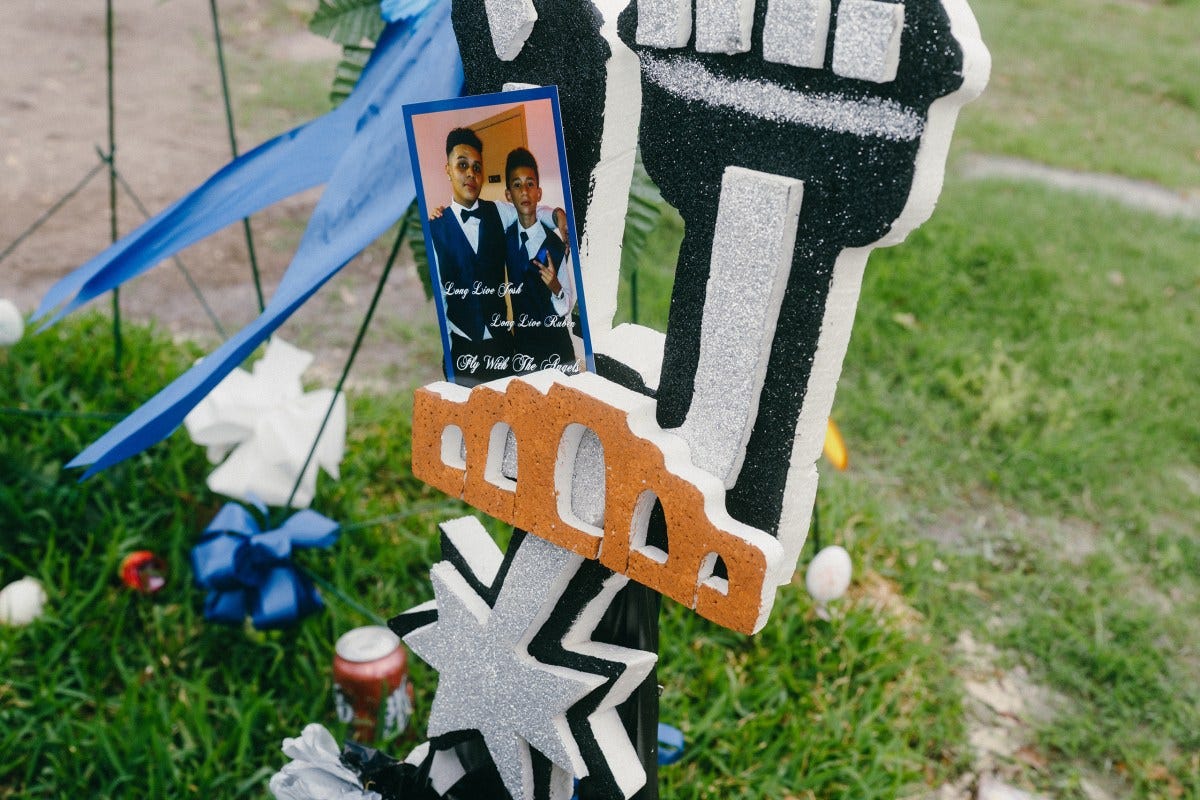
Ruben Ray Martinez was 23 years old when he was shot and killed in South Padre Island in March 2025. His childhood best friend, Joshua Orta, was sitting beside him in the passenger seat when the shots were fired. According to the account later given by Josh and the families, the last words Ruben said were, “I’m sorry,” before he slumped back in the driver’s seat.
Josh saw officers drag Ruben from the car and place him on the roadway, where he was handcuffed while he appeared unconscious, according to body camera footage described in reporting. Josh was then forced into a police car, where he remained for more than four hours before officers moved him into an interrogation room around 5 a.m. By the time he returned home to San Antonio, his family said he was sobbing in a way they had never seen before.
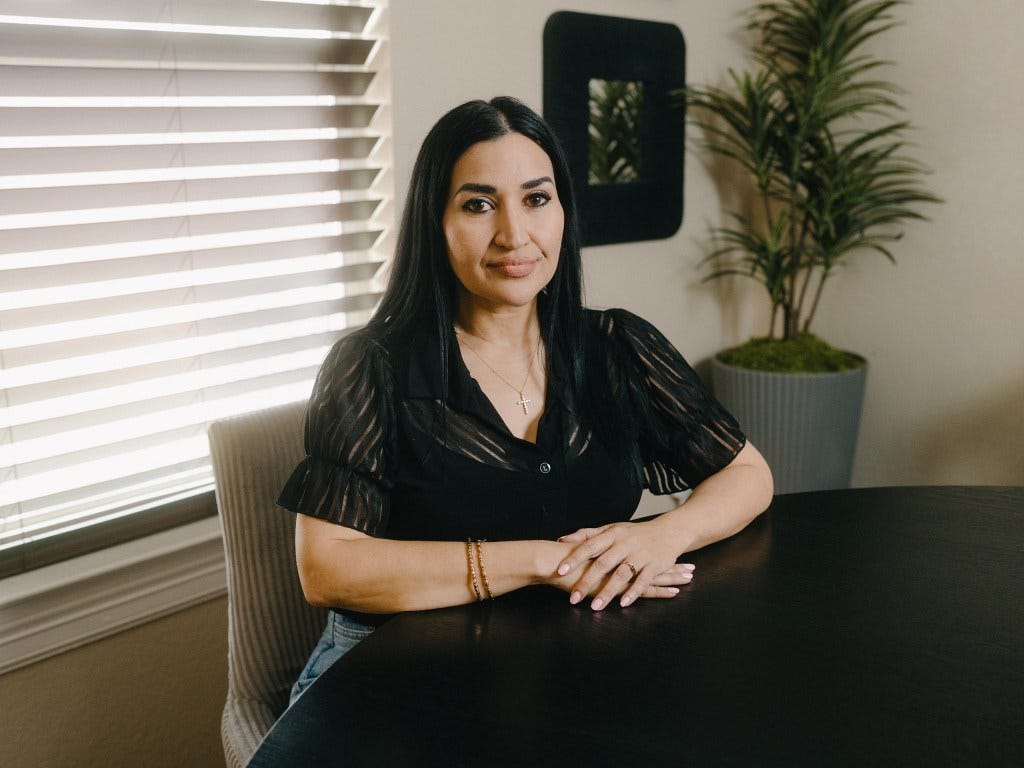
Ruben’s mother, Rachel Reyes, learned of her son’s death hours after the shooting. A state trooper came to her home in San Antonio and told her that, on behalf of the State of Texas, they regretted to inform her that Ruben had died the night before. The explanation she received was limited: there had been an accident in the Rio Grande Valley, Ruben had gone down a lane he was not supposed to, and another officer had shot him after his car made contact with an officer.
The officer was not seriously hurt, Reyes was told. Ruben was dead. But Reyes would not learn until nearly a year later that the officer who killed her son was a federal immigration agent.
That information did not come directly from the government’s notification to her family. It surfaced through an unrelated public-records lawsuit by American Oversight, a national watchdog group. For Reyes, the delayed disclosure changed the case and deepened her belief that authorities had failed to give her the full truth about her son’s death.
Ruben’s death is now understood as the first known killing of an American by immigration agents under Trump’s second administration. Unlike the later killings of Renée Good and Alex Pretti in Minneapolis, Ruben’s death did not immediately draw national attention. He had not been protesting immigration enforcement. He was not part of a public demonstration. He was a young man from San Antonio who had traveled to South Padre Island with friends to belatedly celebrate his birthday.
Ruben and Josh had known each other since kindergarten. Their families said the two grew up together on San Antonio’s largely Hispanic South Side, where they played basketball, video games, beer pong, and pool. Both were raised to respect law enforcement. Neither family initially understood Ruben’s death as part of a wider immigration enforcement story.
That changed when the federal role became public.
According to the reporting, Ruben and Josh had stopped at a Whataburger shortly before midnight and were returning to the apartment where they were staying when they encountered a crash blocking traffic in South Padre Island. Several law enforcement agencies were redirecting vehicles. Footage reportedly showed drivers confused about where to go.
Ruben slowed his blue Ford Fusion while trying to navigate the scene. Officers at first appeared to wave him forward, according to the footage described in reporting. One officer then spotted a bottle of Crown Royal whiskey and shouted for him to pull over. At least one other officer yelled for him to keep going, adding to the confusion.
Ruben stopped at a pedestrian crosswalk, allowed people to pass, and slowly turned onto a side street. What happened in the next seconds remains disputed. The federal officers involved did not have body cameras, and the local law enforcement footage did not fully capture the seconds before the shooting.
Federal agents later said Ruben failed to follow instructions and drove close enough to one officer to make contact. Ruben’s attorneys have argued that later footage released by state police showed the car was stopped when the shots were fired. Josh, who was in the passenger seat, later said Ruben panicked but did not place officers in danger. In a statement prepared for Ruben’s lawyers, Josh said Ruben never hit the gas and that the officers could have stepped aside as the car tried to turn around.
Ruben was taken by ambulance to a local hospital, where he was pronounced dead. His family said he had no prior criminal record. A Cameron County grand jury later declined to indict officers in the shooting.
Reyes kept searching for answers in the months after her son’s death. She found little public reporting beyond a brief mention that an officer-involved shooting involving a federal agency had occurred in South Padre Island. She considered going to the media. She struggled to find lawyers because the family had received so little documentation. Her husband urged her to trust the process and wait for the investigation.
Days after Ruben’s death, Reyes and Ruben’s sister, Cassandra Martinez, drove to South Padre Island to pick up his car. Local police had impounded the Ford Fusion, and the family had to pay more than $600 for its release. Cassandra drove the car back to San Antonio with the bullet casings that had killed her brother still inside.
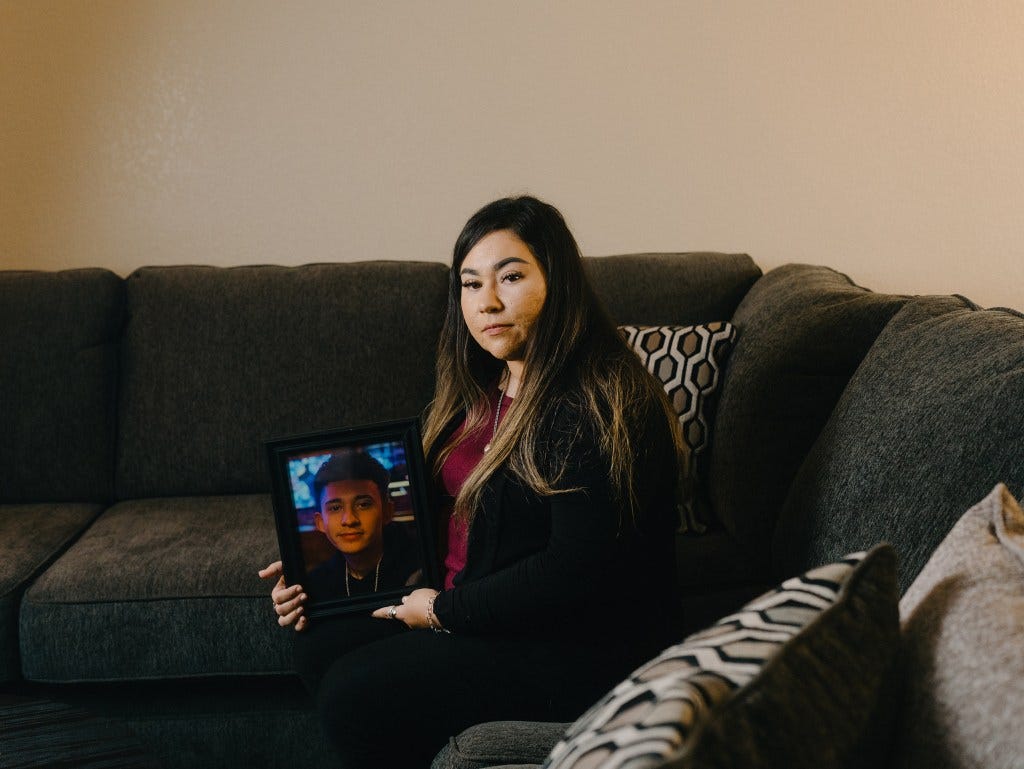
At Ruben’s funeral, nearly 200 people gathered to mourn him. His family remembered him as sweet, funny, silly, and deeply loved. His final messages to his niece and nephew had been, “I love y’all, I’ll see y’all later.” His uncle told the congregation those words were still true, but that it would take longer than expected.
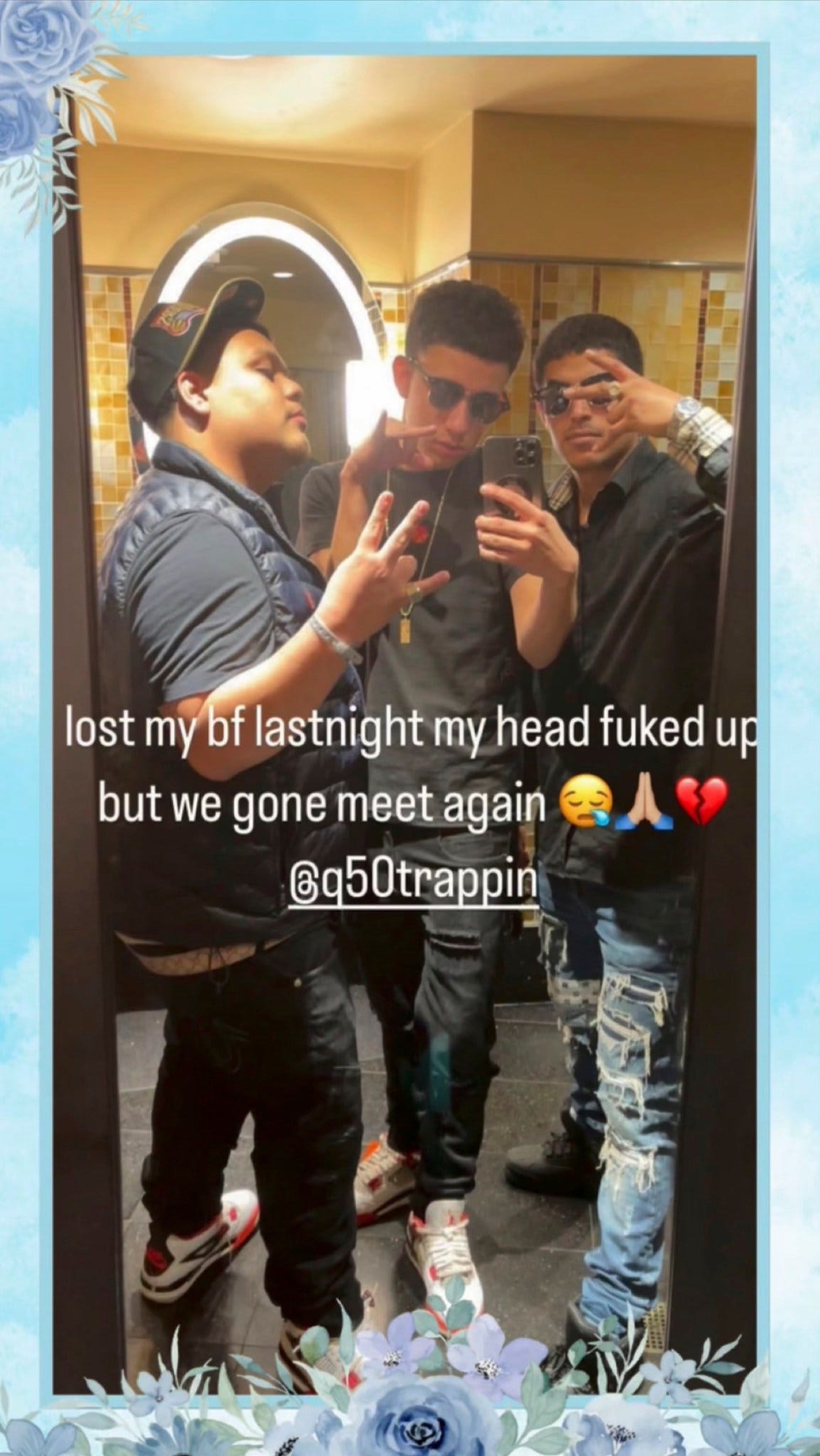
For Josh, the grief settled into daily life. His family said he returned from South Padre Island exhausted and devastated. He told relatives that officers had shot Ruben and that he had watched his best friend die in front of him. Later that day, he posted a tribute to Ruben on Instagram, writing that he had lost his best friend and that they would meet again.
Josh’s family said he changed after the shooting. He became more religious. He began getting tattoos, including Catholic imagery and references to Ruben, whose nickname was Ace. He drank more than before. He stopped maintaining his Infiniti with the care that had once been part of his routine. His relatives said he often seemed lost in thought, reliving the night Ruben died.
His mother, Virginia Mandujano, said Josh carried survivor’s guilt. His girlfriend, Michaela Benavides, said he would wake up crying and ask why Ruben had to die. His family said he struggled to understand why his best friend had been shot and why he had survived.
Josh remained important to Ruben’s family’s search for accountability. He gave a statement to their lawyers rejecting the government’s account and saying Ruben did not deserve to die. He wrote that the family had been left with no answers and no accountability, and that the official narrative conflicted sharply with what he experienced firsthand.
In late February, nearly a year after Ruben was killed, a friend sent Josh a story reporting that ICE was responsible for Ruben’s death. The information had surfaced through the unrelated American Oversight lawsuit, not through a direct explanation to the families months earlier.
Josh’s family said the revelation enraged him.
It came after the killings of Renée Good and Alex Pretti by immigration agents in Minnesota had drawn national attention. Ruben’s death had not caused the same immediate public reckoning. Josh responded to the news by saying ICE was “crazy,” according to the account from his family and friends.
Hours later, Josh attended a birthday gathering for his stepsister and younger sister. His family said he tried to hide his anger, drank heavily, and spoke about life being unfair. Sitting outside with his girlfriend, he said he wished Ruben were there.
After midnight, Josh was driving on Interstate 35 near downtown San Antonio with his girlfriend, stepsister, and a friend in the car. His stepsister and friends said another car swerved in front of them, forcing Josh toward an exit lane. His Infiniti struck a utility pole, spun, and hit a concrete barrier. The car later caught fire.
Benavides survived after crawling out through the driver’s window. Josh did not. Emergency responders told his friends and family it was too late.
Less than a year after Ruben’s death, Josh was dead too.
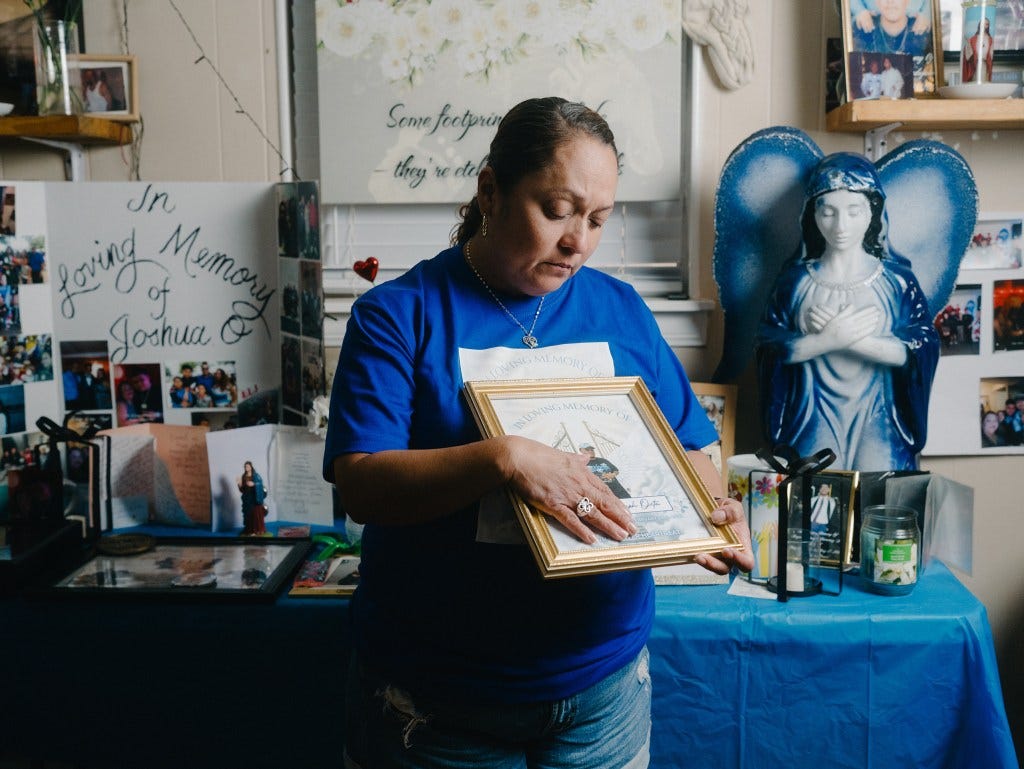
Ruben’s mother and Josh’s mother first met at Ruben’s funeral. Before the first anniversary of Ruben’s death, they met again to bury Josh. Their sons had grown up together, spent years in each other’s homes, and were remembered in family photos, funeral slideshows, and stories about basketball courts, birthday gatherings, and ordinary friendship.
Josh’s family has said his death cannot be separated from what he witnessed. They described nightmares, crying, drinking, and a grief that kept returning. His brother later spoke at a vigil for Ruben outside San Antonio City Hall and said the family refused to let Josh’s death be used in vain to justify official actions.
Ruben’s mother has also faced cruelty after publicly saying she had voted for Trump in 2024, mostly because of economic concerns. Some commentators attacked her personally, as though her vote made her son’s death less deserving of accountability. That reaction did not change the facts. Ruben was 23. He was born and raised in San Antonio. He was killed by a federal immigration agent. His family says they were not clearly told for nearly a year that ICE was responsible.
Reyes has said the lack of transparency destroyed her trust in institutions she previously respected. She now believes the government tried to cover up its mistakes in her son’s death and sees that as part of a larger pattern of officials evading responsibility.
The Department of Homeland Security and Immigration and Customs Enforcement did not respond to detailed questions in the original reporting. Acting ICE Director Todd Lyons said the agency stands by the grand jury’s finding that the officer should not be criminally charged and said the incident had been investigated from every possible angle by an independent body. He declined to answer other questions about the officers’ training, history, or experience.
A grand jury decision does not resolve the unanswered questions left with Ruben’s family. It does not explain why his mother did not learn for nearly a year that the officer who killed her son was an ICE agent. It does not explain why the federal officers involved did not have body cameras. It does not settle the conflict between the official account and the witness account given by the young man who sat beside Ruben when he was shot.
Ruben’s family is now pursuing answers through attorneys. Josh’s statement, though not signed before his own death, became part of the public attention around the case. His words remain one of the clearest records from inside the car: Ruben did not deserve to die.
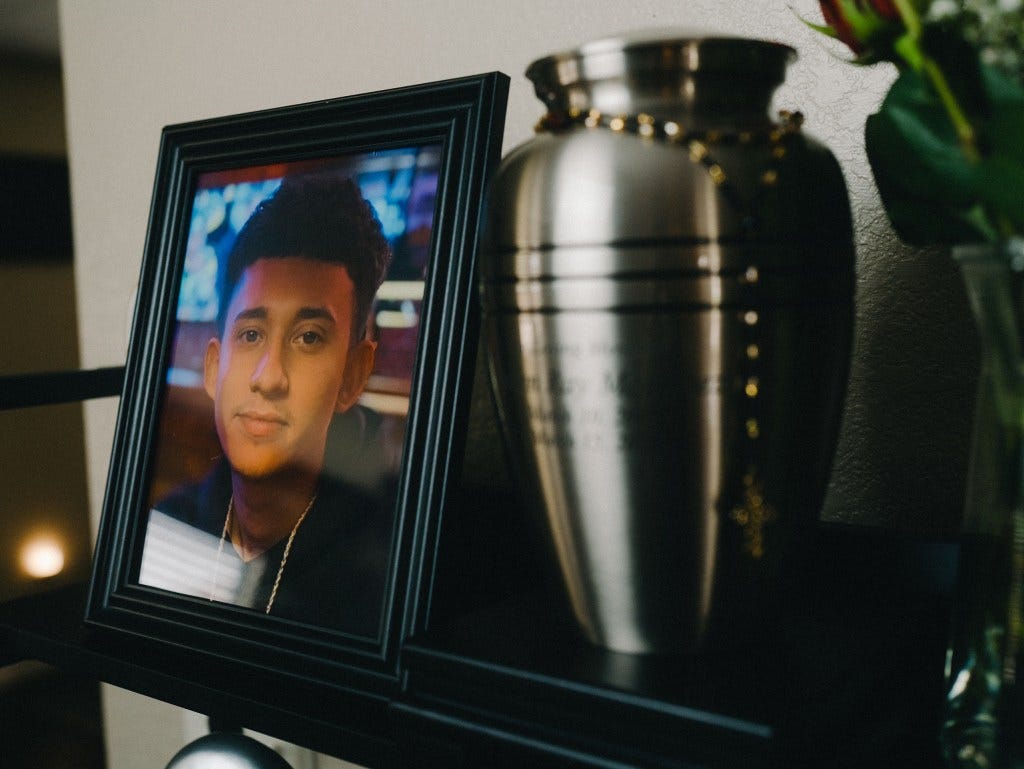
For both families, the loss now exists in layered form. Rachel Reyes keeps Ruben’s room mostly as he left it and moved his ashes to a living room mantle so he would not feel alone. Virginia Mandujano visits Josh’s grave and keeps a memorial altar in her home. Their sons are remembered together in photos and family stories, bound by a friendship that began in childhood and ended in two funerals within one year.
Ruben Martinez was killed by an ICE agent in South Padre Island. His family says the government did not clearly disclose that fact for nearly a year. Joshua Orta witnessed the killing, challenged the official account, and died after months of trauma. The families left behind are asking why the truth took so long to surface and why accountability has not followed.
Americans Against ICE documents the deaths, raids, arrests, detention systems, and official narratives used to bury the human cost of immigration enforcement.
When families are left searching for the truth after ICE violence, the record has to stay visible. Ruben Martinez and Joshua Orta were not abstractions. They were sons, brothers, friends, and loved ones whose families deserved honesty from the beginning.
Upgrade to a paid subscription to support independent documentation, investigation, and accountability work.
These ICE agents lie with impunity. Just like the POTUS. Things need to change in my country ((USA). Sooner than later.