

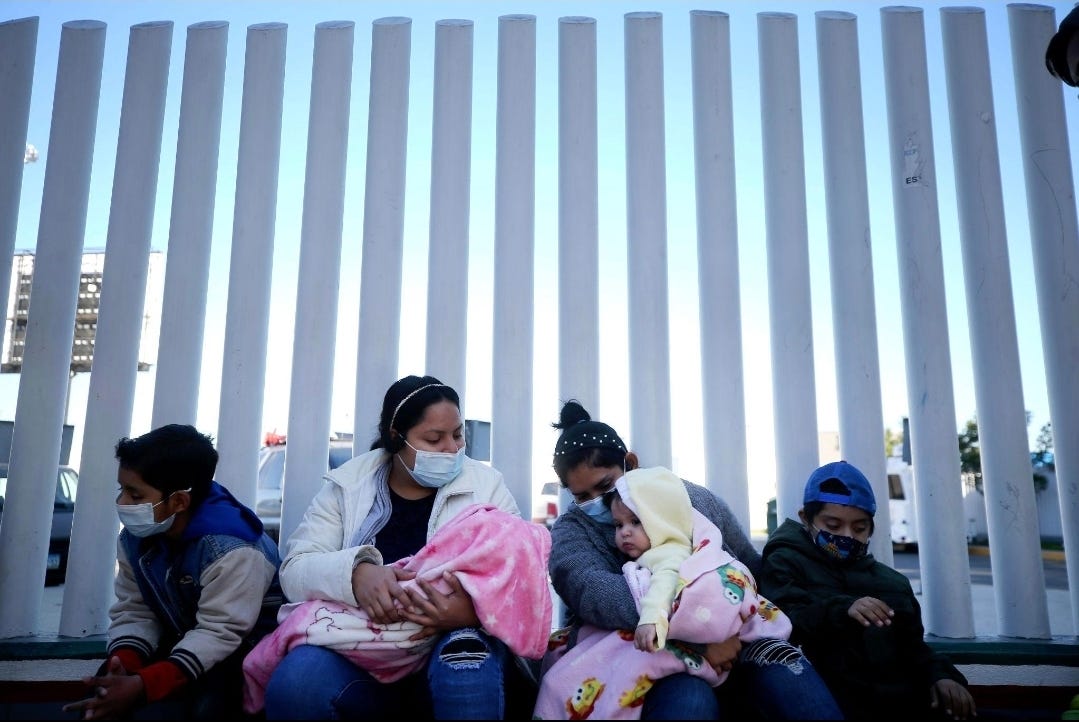
The Supreme Court has cleared a legal path for the Trump administration to block asylum seekers before they can reach the point where the right to request protection begins.
In Mullin v. Al Otro Lado, the Supreme Court’s majority adopted the administration’s interpretation of when an asylum seeker is considered to have “arrived” in the United States. The case centered on “metering,” a border turnback policy that allows officials to limit asylum processing at ports of entry and send people back before they are treated as having legally arrived. The ruling gives the government a clearer legal path to resume a practice that can leave people fleeing persecution stranded outside the asylum process.
The harm is direct. An asylum seeker can reach the border, ask for protection, and still be blocked before the law treats that person as eligible to apply. For families and people fleeing violence, that turns a physical line at the border into a legal trapdoor. Protection becomes something they can be denied before they are even allowed into the system.
The case turned on whether people stopped just outside U.S. territory have “arrived” for purposes of asylum law. The majority accepted the government’s position that people who have not physically crossed into the United States have not reached the legal threshold that triggers asylum protections. That interpretation matters because metering works by keeping people outside that threshold.
The policy is not abstract. Under metering, border officials can restrict how many asylum seekers are processed each day and stop people at or near the boundary line before they step onto U.S. soil. People may be told to wait in Mexico, return later, or rely on informal waitlists, even though there is no guarantee they will ever be processed.
That is the mechanism of the harm. The government controls the doorway, blocks people before they cross it, and then argues they have not legally arrived. For asylum seekers, the result can be a closed loop: they are told they must reach the United States to request protection, while federal officials hold the power to keep them from reaching the point where that request can begin.
The ruling does not erase asylum law from the books. It makes access easier to block before the process can begin. A right on paper means less when officials can stop people at the doorway and then argue they never legally arrived.
The Trump administration now has a clearer route to resume or expand turnbacks at the border. Border enforcement can use physical access as the gatekeeper for legal protection. That means the people most in need of refuge may be kept outside the process by the same officials who control whether they can reach it.
Asylum access should not depend on whether federal officials allow someone to step over a line first. International human-rights law recognizes the right to seek asylum from persecution, and border turnbacks undermine that protection when they block people before the process can even begin.
When the government can block people before their right to request protection begins, asylum becomes a promise officials can keep out of reach. The harm falls on families, refugees, and asylum seekers already fleeing danger.
Americans Against ICE tracks these harms because immigration enforcement does not only happen inside detention centers. It also happens through paperwork, court rulings, border procedures, and legal barriers that decide who is allowed to be seen at all.
Upgrade to support Americans Against ICE and help keep this documentation going.