

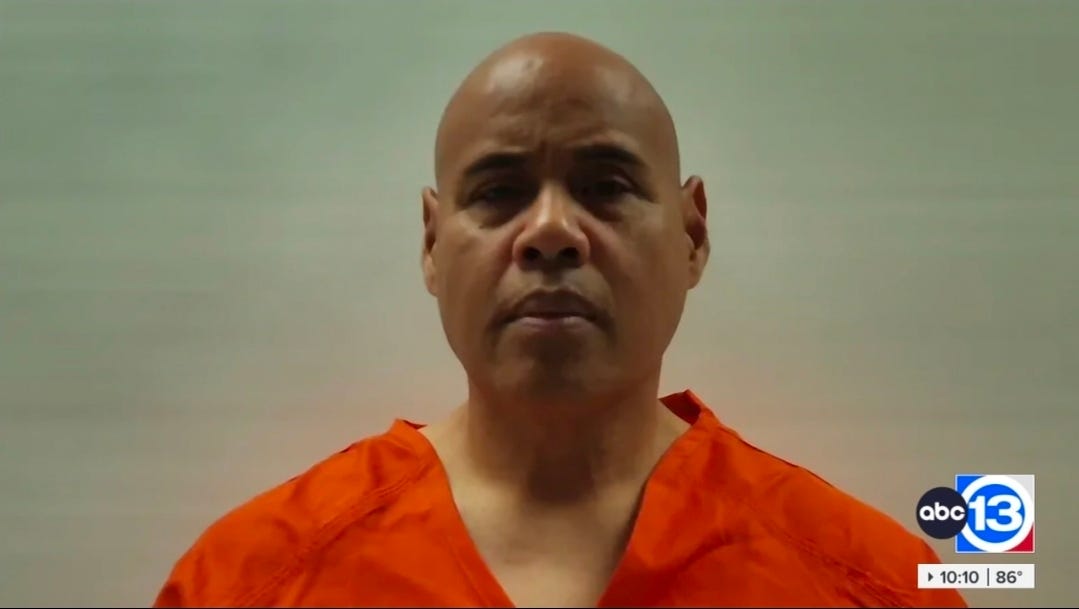
Julio Cesar Sosa-Celis was shot in the leg during an ICE operation in North Minneapolis on Jan. 14, 2026. According to the criminal complaint filed in Hennepin County, ICE agent Christian Castro fired one round toward the front door of a home after Sosa-Celis and others had gone inside. Four adults and two children were in the house. Investigators traced the bullet through the door and interior structures before it lodged in a bedroom wall identified by Minnesota officials as a child’s room.
In the aftermath of the shooting, federal prosecutors initially charged Sosa-Celis and another man with assaulting federal officers, relying in part on Castro’s account that he had been struck repeatedly with a broom and snow shovel before firing. That prosecution later collapsed. Federal prosecutors moved to dismiss the charges after acknowledging that newly discovered evidence was materially inconsistent with allegations supporting the case.
Minnesota investigators reached a different account of what happened outside the home. The criminal complaint says city-camera footage, witness statements, physical evidence and medical records contradicted material parts of Castro’s description of the encounter. Medical records documented an abrasion near his thumb but no demonstrable trauma consistent with the repeated blows he described. Prosecutors later charged Castro with four felony counts of second-degree assault with a dangerous weapon and one misdemeanor count of falsely reporting a crime. Those charges remain pending and have not been adjudicated.
The evidentiary reversal matters because Sosa-Celis went from being shot during an ICE operation to being accused by the federal government of attacking the agent who fired the shot. Once the federal case against him and the other man was dismissed with prejudice, the accountability question shifted toward Castro’s conduct and the accuracy of the account used against the people inside the home. The Minnesota complaint also says federal authorities stopped cooperating with state investigators and prevented additional interviews of Castro and other ICE agents after an initial joint investigation.
City surveillance footage from Jan. 14 shows the sequence outside the North Minneapolis home where Julio Sosa-Celis was shot.
Castro was arrested by Texas Rangers in Cameron County on May 29 under a nationwide Minnesota warrant. Gov. Tim Walz sent Texas Gov. Greg Abbott a formal extradition request on June 2. More than two months later, Abbott had not issued the rendition warrant needed for Minnesota officers to take custody of Castro, prompting Attorney General Keith Ellison to sue in federal court on Aug. 18. Minnesota is asking the court to compel the extradition process and prevent Castro from being released before he can be returned to face the charges.
Abbott is now fighting that request. In an Aug. 24 filing, he argued that Texas still has “serious concerns” about whether Castro legally qualifies as a fugitive because available information indicates ICE reassigned him to Texas rather than Castro fleeing Minnesota to avoid prosecution. Abbott also argued that Texas’ 90-day detention limit restricts how long Castro can be held before a governor’s warrant but does not require the governor to decide an extradition request within that same period. A federal court has not resolved that dispute.
For Sosa-Celis, the legal fight in Texas is not an abstract dispute over interstate procedure. The agent charged in connection with his shooting has not yet been returned to Minnesota to appear before the court handling the criminal case. Cameron County Sheriff Manuel Trevino has told the federal court that Castro must be released when the state’s extradition detention period expires unless a court orders otherwise. Minnesota is seeking emergency relief to keep him in custody while the extradition dispute is decided.
Minnesota argues that Abbott’s refusal to issue the warrant departs from the routine extradition practice between the two states. According to the attorney general’s office, Texas processed 11 Minnesota extradition requests during the previous five years, with Abbott signing rendition warrants in roughly 30 days on average. Minnesota says Walz processed 21 Texas requests during the same period and executed two Texas rendition requests after sending the Castro demand. Those figures are part of Minnesota’s argument that this case is being treated differently from ordinary interstate extraditions.
The court fight now sits at the end of a much longer chain of reversals for the people inside the Minneapolis home. After Sosa-Celis was shot during the ICE operation, federal prosecutors charged him and another man; evidence later undermined the account used against them, their charges were dismissed, and Minnesota prosecutors subsequently charged Castro. The unresolved question is whether Castro will now be returned to the state where Sosa-Celis was wounded to face those charges, or whether another institutional barrier will delay his appearance before the Minnesota court.
Julio Cesar Sosa-Celis was shot during an ICE operation. Sosa-Celis and another man inside the home were initially prosecuted, evidence later undermined that case, and the agent now charged in the shooting has still not been returned to Minnesota to face the case.
Support Americans Against ICE as we keep documenting what happens when enforcement harm meets institutional barriers and accountability stalls.
Upgrade to a paid subscription ↓
Seems ICE always lies. Abbott is a criminal. Charge him.