

On January 18, 2026, during an ICE operation connected to protests in Minneapolis, federal agents deployed tear gas that flooded a family’s SUV carrying six children. According to local reporting and eyewitness accounts, the gas caused airbags to deploy, injured multiple children, and left a six-month-old infant unresponsive. The baby had to be revived with CPR before being transported for medical care.
This was not a confrontation between armed individuals.
It was not a raid on a fortified location.
It was the use of chemical agents in close proximity to a civilian family vehicle.
An infant stopped breathing.
That fact alone should end the debate about whether current enforcement tactics have crossed a line.
What we know so far
Multiple accounts describe a chaotic scene in which federal agents deployed tear gas near a vehicle attempting to flee the area. The gas rapidly filled the SUV. The force and confusion triggered airbag deployment. Several children were injured in the process. The youngest — six months old — stopped breathing and required immediate CPR to be revived.
The family was later transported for medical care. Three of the children were reportedly hospitalized.
These are not disputed injuries.
These are documented outcomes.
What officials say — and what that avoids
Federalagencies have denied wrongdoing and emphasized the context of protest activity in the area. That framing matters, because it shifts attention away from the central question:
Why were chemical agents deployed in a manner that endangered children and caused respiratory failure in an infant?
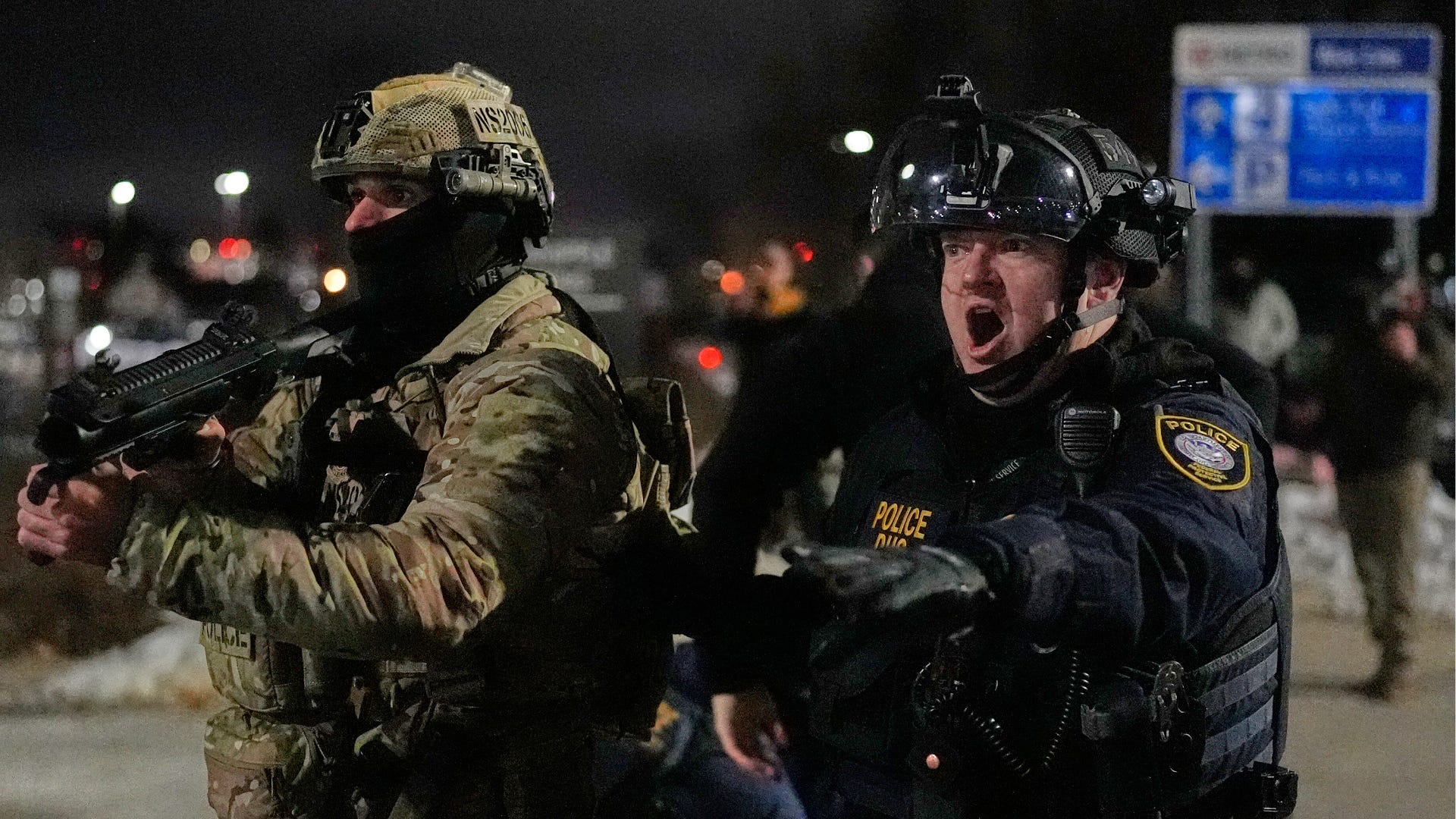
Tear gas is widely recognized as dangerous in enclosed spaces. Medical organizations have repeatedly warned about its risks to children, infants, and people with respiratory vulnerability. Deploying it near a vehicle — especially one carrying minors — is not a neutral operational choice. It is a foreseeable risk.
The issue is not whether agents intended to harm a baby.
The issue is whether systems that produce this outcome are being allowed to operate without restraint or accountability.
This is not an isolated incident
What happened in Minneapolis fits a broader pattern reported across multiple cities: escalating force, expanded discretion, and a widening gap between stated enforcement goals and real-world consequences.
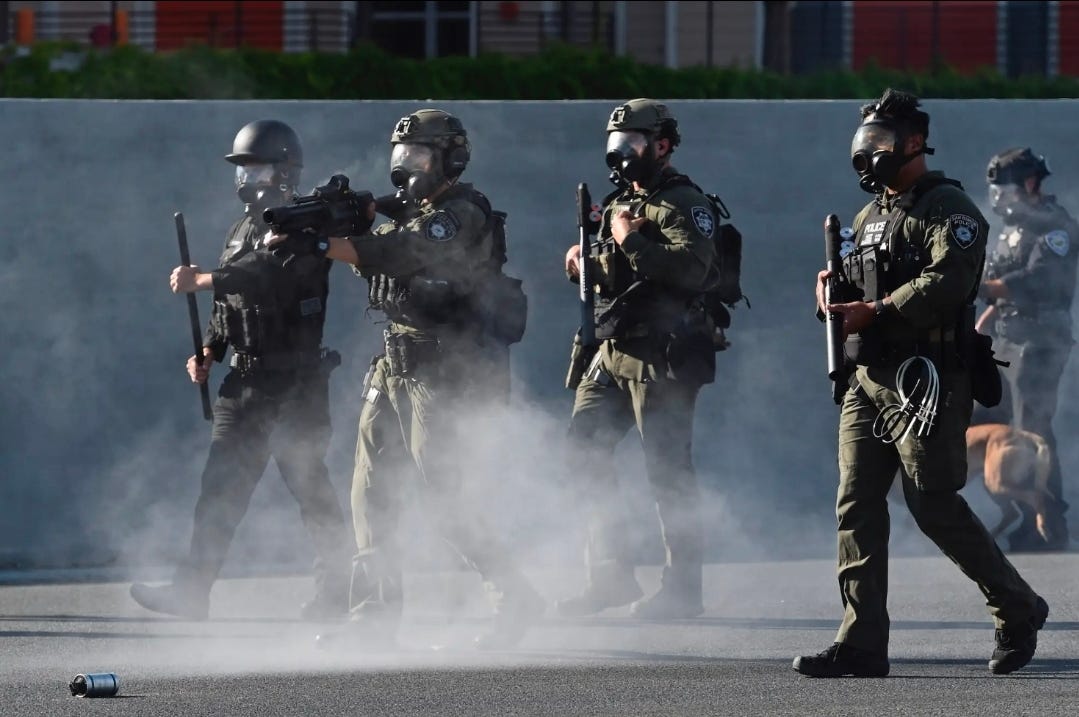
In recent weeks, reports have surfaced of:
U.S. citizens detained and released without charges
Native Americans and white retirees stopped and questioned
Refugees and long-time residents swept into enforcement actions
Unmarked vehicles and unclear identification of agents
When enforcement becomes indistinguishable from intimidation, the harm spreads far beyond its stated targets.
The moral line was crossed
There are moments when policy debates collapse under the weight of reality.
A baby stopping breathing is one of those moments.
You do not need to take a position on immigration policy to recognize that this outcome is unacceptable. You do not need to agree on borders, visas, or enforcement priorities to say that chemical agents should not be used in ways that endanger infants.
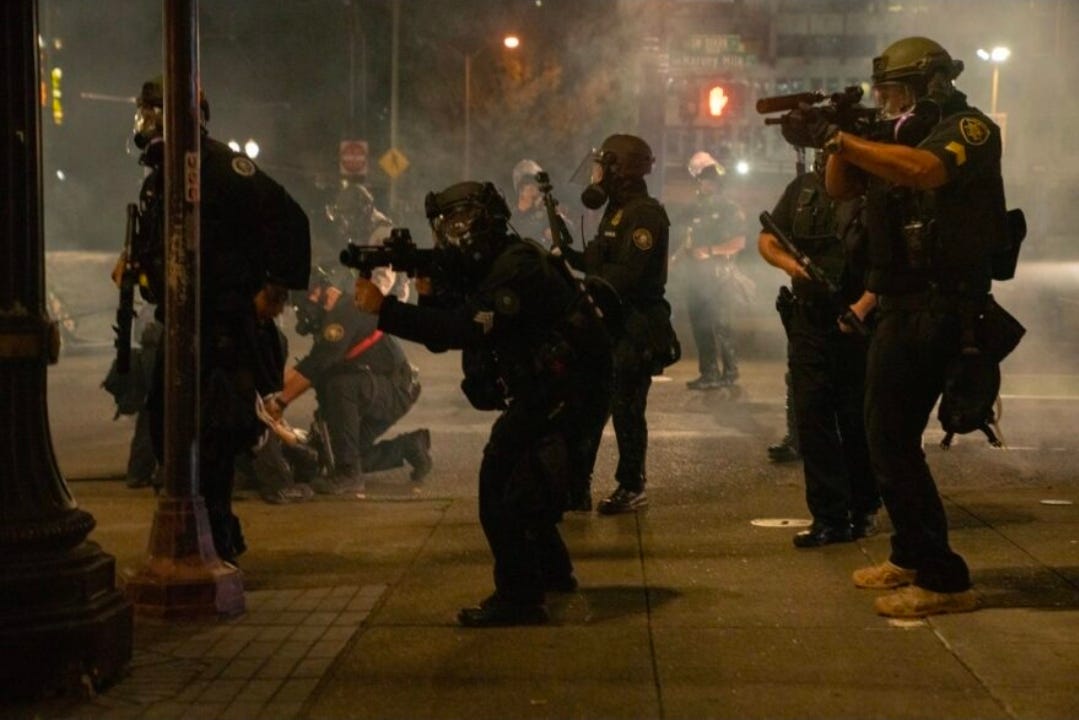
If a policy framework produces hospitalized children and a baby revived after respiratory failure, that framework demands immediate scrutiny — not spin, not delay, not silence.
Why silence matters
History shows that abuses normalize when they are allowed to pass without sustained attention. Each incident becomes easier to dismiss when treated as an exception rather than evidence of a system failing its most basic duty: to avoid unnecessary harm to civilians.
This is not about politics as spectacle.
It is about whether there are still lines our government will not cross.
And whether we will insist they exist.
What accountability looks like
Accountability does not require rage. It requires documentation, oversight, and public insistence that enforcement agencies answer for the consequences of their actions.
It requires Congress to act.
It requires journalists to stay on the story.
It requires the public to refuse to look away.
Because if a baby stopping breathing does not stop this escalation, it is difficult to imagine what will.
Support accountability efforts and ongoing reporting on ICE abuses. Paid subscriptions help sustain documentation, advocacy, and public pressure for justice.
Quick check-in to understand how people are thinking about accountability and enforcement right now.
This is the part people miss when stories like this surface. What happened to this baby wasn’t an “incident” or a mistake — it was the predictable outcome of policies designed to prioritize enforcement over human life.
When a system accepts collateral harm as normal, it will always escalate until the harm becomes impossible to ignore. Babies don’t stop breathing because of bad luck — they stop breathing because adults built structures where that outcome was considered acceptable risk.
Accountability doesn’t begin with outrage. It begins with refusing to look away from what these systems do when no one is watching.
We need community control of all law enforcement officers that we pay with our money to serve US and not break our laws. Congress will never be nor never do enough.