

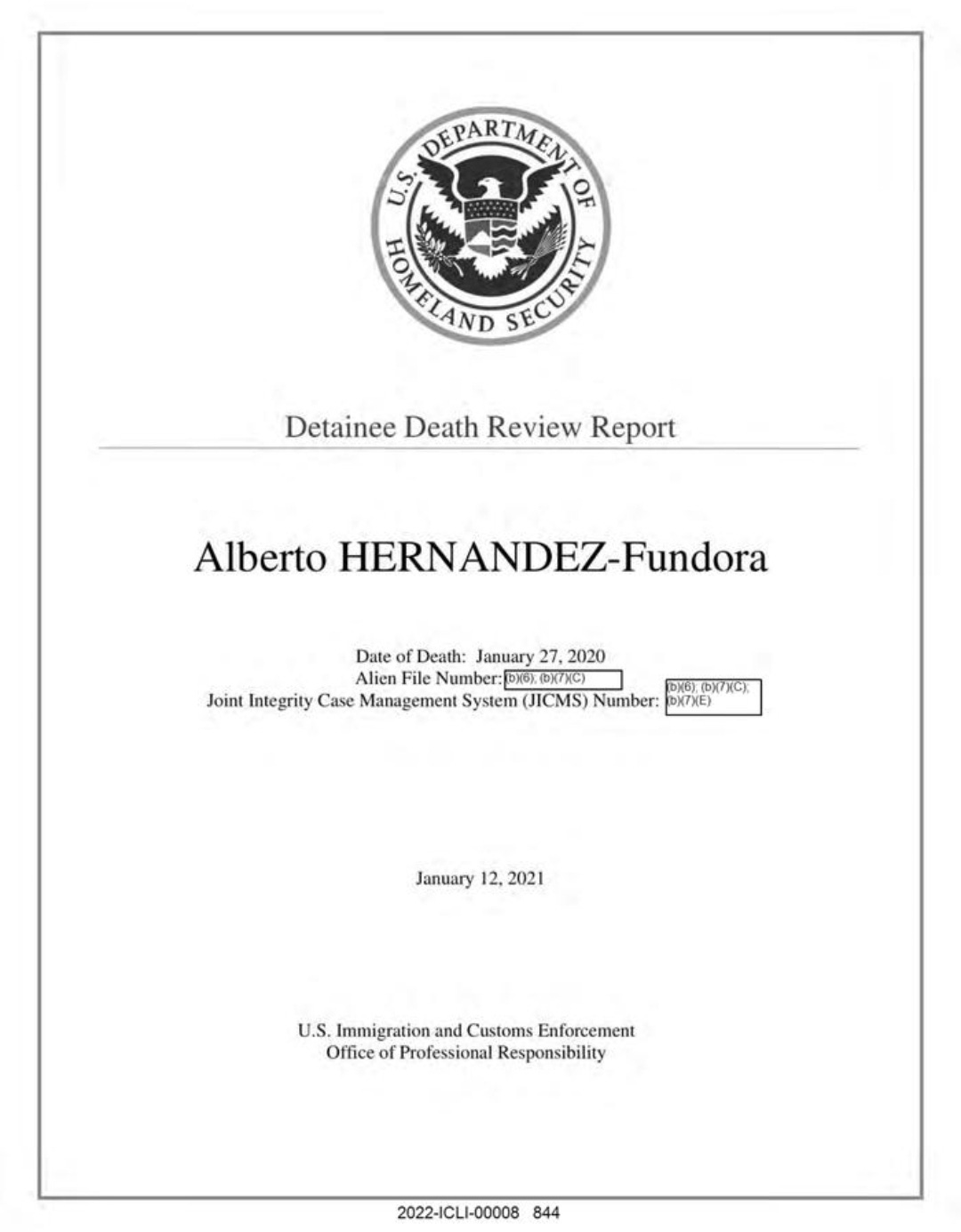
Four people died in ICE custody in January. The public got the reports late.
That is the starting point of this story. Not that Immigration and Customs Enforcement eventually posted death reports. Not that the agency issued another round of official paperwork after the fact. The real story is that Congress required ICE to disclose detainee deaths within 90 days, and ICE missed that deadline before releasing four January reports anyway, days after NBC News reported the agency had failed to publish them on time.
The names in those delayed reports matter: Victor Manuel Diaz, Heber Sanchez Dominguez, Parady La, and Luis Nunez Caceres. Two of those deaths, Diaz and Dominguez, had already been described by ICE as presumed suicides, though final determinations remain under investigation. The reports were not abstract compliance documents. They were late disclosures about people who died while in federal immigration custody.
Earlier this week, ICE reported another death in custody, bringing the 2026 total to 17. Aled Damien Carbonell-Betancourt, a 27-year-old Cuban national, was found unresponsive in his cell at the Federal Detention Center in Miami on April 12, according to ICE. The agency said staff attempted lifesaving measures before he was pronounced dead, and it described the death as a presumed suicide while stating that the official cause remains under investigation.
These are not just numbers moving upward on a spreadsheet. They are people whose deaths happened inside a detention system that still expects the public to accept delay, opacity, and self-reporting as if those were substitutes for accountability.
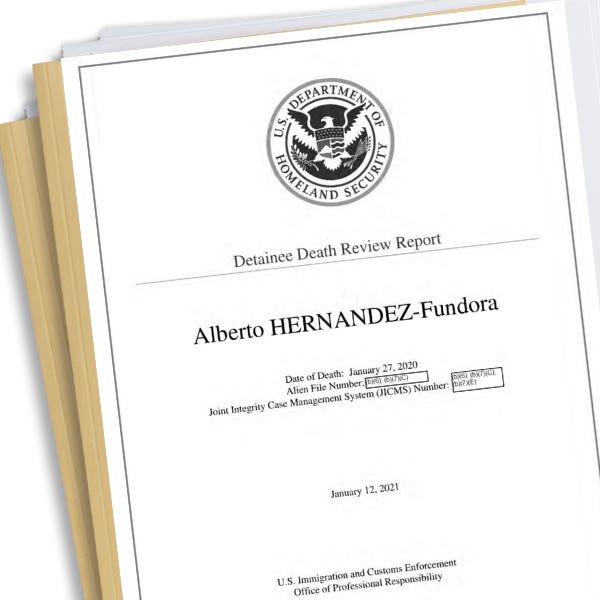
The delayed reports covering January deaths were published only after outside scrutiny drew attention to ICE’s failure to meet the 90-day reporting deadline required by Congress. That deadline exists for a reason. Death reporting inside detention is supposed to create at least a minimum floor of transparency. When the agency misses it, the delay is not procedural background noise. It is part of the accountability problem itself.
And the delay lands inside a broader pattern that is already alarming. ICE reported 33 detainee deaths in 2025, the highest annual total in more than two decades, after reporting 11 deaths in 2024. By early April 2026, ICE was detaining more than 60,000 immigrants, a population that had declined somewhat in recent weeks but remained far above pre-2025 levels. Reuters separately reported that at least 17 people had died in ICE custody from January through early April 2026.
A detention system that keeps producing deaths at this pace should not be trusted to grade its own transparency.
That is why the timeline matters so much here. Victor Manuel Diaz. Heber Sanchez Dominguez. Parady La. Luis Nunez Caceres. Their deaths happened in January. The reports came later than Congress required. Aled Damien Carbonell-Betancourt died afterward, pushing the annual total higher before the agency had even met its obligation to disclose the earlier deaths on time.
The phrase “death report” can sound bureaucratic, even dry. But these documents are supposed to be one of the few points where the public can see, with any regularity, what happened inside a system built to keep people out of sight. When those reports arrive late, the delay sends its own message: the people who died are still being handled as paperwork first and public accountability second.
That is unacceptable.
The public should not have to learn about missed reporting deadlines only after journalists force the issue. Families should not have to wonder whether disclosures were delayed until attention arrived. A detention system that takes custody of human beings assumes responsibility not only for their care, but also for immediate, truthful public accounting when someone dies.
ICE has not earned trust on that score. It has earned scrutiny.
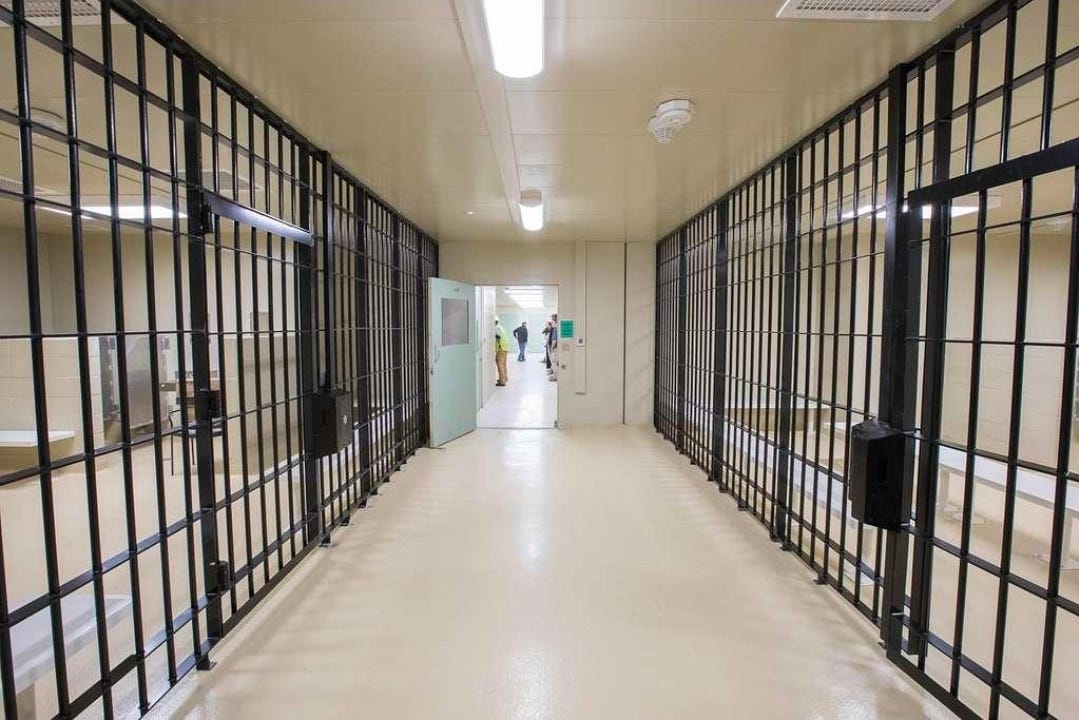
The accountability demand here is straightforward. Every detainee death should be reported on time. Every timeline should be public. Every delay should be explained. Every death should be examined outside the comfort of agency self-justification. And every person who dies in ICE custody should be named as more than a late report posted after pressure.
That is where this article has to end: with the dead, and with the record.
Victor Manuel Diaz.
Heber Sanchez Dominguez.
Parady La.
Luis Nunez Caceres.
Aled Damien Carbonell-Betancourt.
Their names belong at the center of this story, not buried beneath agency delay.
ICE missed the deadline. People were already dead. The reports came late anyway. That is not transparency. It is a system asking for trust after withholding the record it was legally required to provide.

Support reporting that documents ICE abuse, detention deaths, and the systems built to hide them.
May I just leave a comment here? I don’t comment on posts often, because I try to not draw attention to myself, but I’ve spent a very considerable amount of time in regular prison. Regular prison in the south ( northern prisons and southern prisons are very different).
All prisons (in Florida) do this kind of thing. They fudge records. They’ll put an obviously dead person on a stretcher and then not attempt life-saving measures until that person is off of the prison property that way they can declare that the person had died outside of the prison as opposed to inside of it. Almost every death that occurs will be classified as a suicide that’s just standard in most of the facilities that I’ve been to there are at least a few places off of Camera where the police can do whatever they want to you and that’s where a lot of the murders occur. Not to say that inmates don’t murder the other inmates or even that inmate murderers are less common than staff murders, but that doesn’t mean that the staff murders are less important or less of a problem.
I know very well how American prisons operate, but I can’t imagine how a deportation prison operates. I know it must be so much worse and thats saying a lot because the way it is in normal American prisons is already extremely extremely brutal.
I have personal experience with only a portion of what these people are going through, but what I experienced myself, imagining those things happening to women and children, children being put in a prison.
It boggles the mind.
I feel so deeply for these people there are neighbors. They are our friends and they’re just being kidnapped and put into concentration camps even children. It’s fucking incomprehensible.
Families of these poor dead detainees are entitled to know where their loved ones is and how they died. This whole system is a disgrace!!