

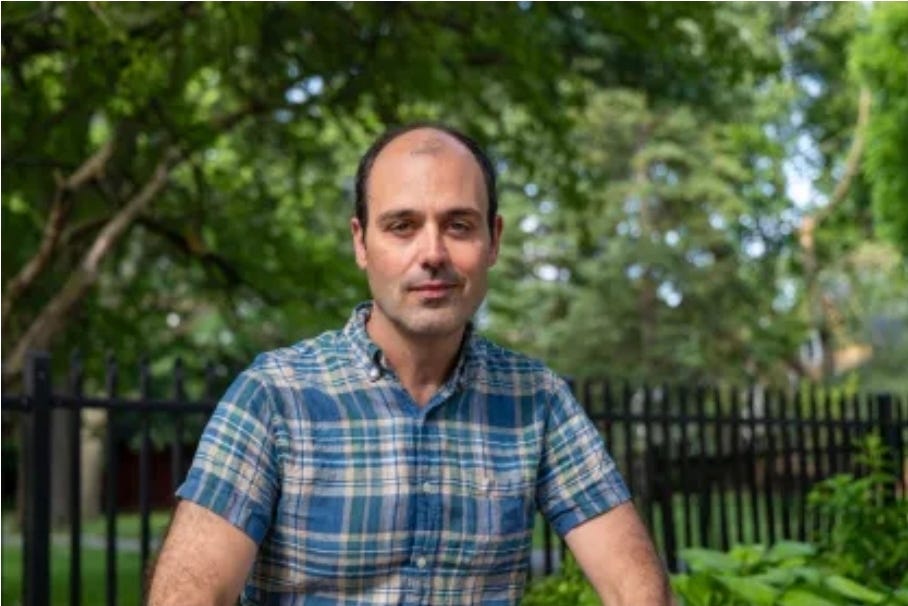
David Streever already knew what it felt like when criticism of ICE moved out of an inbox and into his family’s life. Months after he sent a furious email to then-acting ICE Director Todd Lyons, federal agents went to Streever’s Rochester home, delivered a warning notice to his wife, and later tracked him to a New York City hotel where he was staying with his 7-year-old daughter. Americans Against ICE documented that encounter in July. Now, the federal government’s use of that warning against Streever has been blocked by a judge.
U.S. District Judge Rudolph Contreras granted Streever a preliminary injunction after finding that his First Amendment claim is likely to succeed. The ruling does not end the lawsuit, but it changes the legal position around the warning notice that DHS used against him. Contreras concluded that Streever’s January email was far removed from the kind of actual threat that falls outside First Amendment protection and blocked DHS from making further threats against him based on that protected political speech while the case continues.
That matters because the warning was not an abstract piece of paperwork. DHS agents physically brought federal enforcement power to Streever’s home after he criticized ICE leadership. When he was not there, they gave the notice to his wife. They then located him at a hotel in New York City, contacted the front desk, left repeated voicemails and sought his signature on the document while he was traveling with his daughter. Streever later said the experience made him afraid to express his views as openly as he had before.
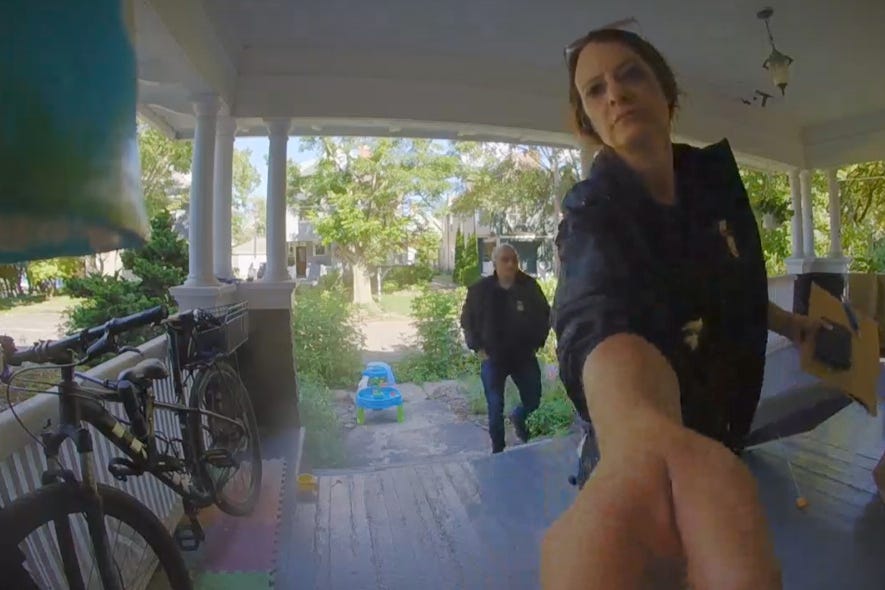
The warning told Streever that his email could violate federal law. The message he had sent Lyons was angry and severe, but the government’s own position in court stopped short of arguing that the email itself contained a threat. Justice Department lawyers did not make that claim in their filings, and Contreras found that the speech remained constitutionally protected political criticism.
The judge’s order therefore reaches beyond whether Streever’s words were polite, productive or restrained. The question before the court was whether the federal government could place the possibility of prosecution over a citizen’s political speech when that speech did not cross into an actual threat. Contreras found that Streever was likely to prevail on that claim and described the warning as effectively placing prosecution over his continued political expression.
For Streever, the pressure had already reached his daughter before the case reached a judge. After DHS tracked them to the hotel, Streever prepared his 7-year-old for the possibility that federal agents could confront them again on their way home. According to his lawsuit, she began to cry and told him she did not want the agents to kill him. The legal dispute that followed grew from that experience: a father explaining federal agents to his child because political criticism had been followed by a warning notice and a search for him across two cities.
DHS has defended its conduct by saying that it investigates credible threats against ICE personnel and other federal officers. The department has also pointed to an increase in threats and assaults against immigration enforcement officials. But in Streever’s case, the government did not argue in court that his email itself contained a threat, and Contreras’s order does not stop DHS from investigating genuinely threatening future conduct. It blocks the government from using the warning against Streever’s protected speech.
The ruling also reopens a question Americans Against ICE had already documented before Streever filed suit: how broadly DHS and ICE used these warning notices against critics.
Paigelynne Gonyea, another New York resident, was confronted by ICE agents at work after she posted that Jonathan Ross should be indicted following the killing of Renee Good. She was presented with the same warning form. Gonyea disputed the government’s accusation that she had unlawfully exposed an ICE agent’s address. Her case is separate from Streever’s, and Contreras’s order does not extend automatic protection to her. But the existence of the same warning mechanism in both cases makes the unanswered scope of the practice impossible to dismiss as a question involving only one person.
DHS has declined to say how many people have received warning notices like those delivered to Streever and Gonyea. That leaves the public without a full accounting of how often federal agents used the form, what internal standard triggered its use, who approved the practice, what records were created around recipients, and whether other people changed their speech after federal officers appeared at their homes or workplaces.
Those questions are more urgent now because one recipient has taken the government to court and won preliminary protection from the mechanism used against him. Streever’s order does not erase what happened at his home, undo the night he spent preparing his daughter for another possible federal encounter, or resolve what happened to everyone else who may have received a similar warning. It establishes that his constitutional challenge is likely to succeed and prevents DHS from continuing to hold that warning over his protected political speech while the case proceeds.
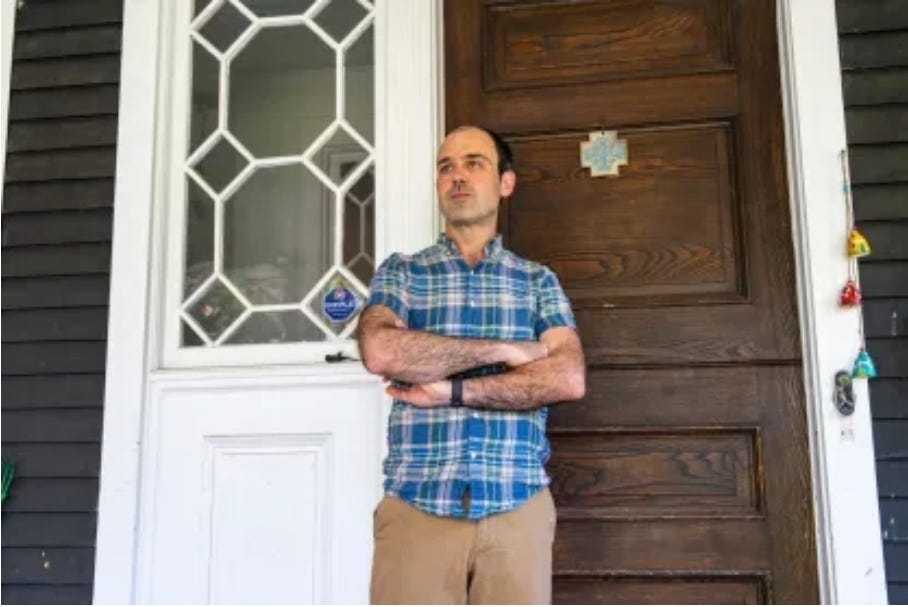
Streever said after the ruling that he was relieved the court affirmed his right to speak his conscience and criticize government officials. For him, that protection came only after federal agents had already entered his family’s life and after he went to court to stop the government from using the warning against him. The remaining accountability question reaches beyond his individual injunction: whether DHS will disclose the full reach of the warning-notice practice, what happens to other recipients, and whether political criticism of ICE was subjected to federal scrutiny in cases the public still does not know about.
Upgrade to a paid subscription to Americans Against ICE to help sustain independent reporting that follows ICE and DHS when federal power is used against critics, tracks the people affected, and keeps unresolved accountability in the public record.
Previous AAI report:
ICE Is Serving Warning Notices to Americans Who Criticize It.
ICE Is Serving Warning Notices to Americans Who Criticize It

ICE is serving warning notices to Americans who criticize it. David Streever sent a blistering message to acting ICE Director Todd Lyons after the killing of Renee Good in Minneapolis, and federal officers later moved that criticism out of the inbox and into…
ICE Agents Confront Syracuse Woman at Work Over Post Calling for Indictment After Renee Good’s Killing

ICE agents confronted Paigelynne Gonyea at work over an Instagram post that called for Jonathan Ross to be indicted after the killing of Renee Good. The confrontation matters because it shows federal power moving directly against a person for public speech about an ICE killing. It also…